Let’s be honest, the world of home security can feel a bit overwhelming. You’re trying to protect your family and your property, but you’re also increasingly aware of our planet’s health. You might be wondering, “Do I have to choose between security and sustainability?” I’m here to tell you that you absolutely don’t. The decision to buy an eco-friendly home camera brand is not just possible today; it’s a smart, responsible choice that often comes with unexpected benefits. As a Senior Solutions Expert at Family Security 247, I’ve helped countless families find that perfect balance, and I’m going to walk you through exactly how you can do it too.
It all starts with a simple shift in mindset. An eco-friendly camera isn’t about sacrificing performance; it’s about choosing smarter technology that’s designed for the long haul—for both your home and the environment.
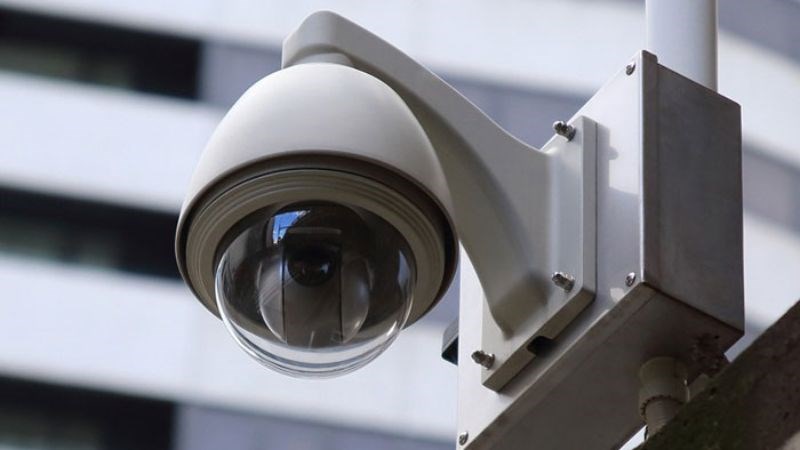
What Exactly Makes a Home Camera “Eco-Friendly”?
When you start your search, you’ll see a lot of “green” marketing. To cut through the noise, you need to know what to look for. An authentically eco-friendly camera is more than just a green leaf on the box. It’s a combination of several key factors that reduce its environmental footprint from creation to daily operation.
- Sustainable Materials: The best brands are moving away from virgin plastics. Look for cameras made from a high percentage of post-consumer recycled plastics. This simple change significantly reduces landfill waste and the carbon emissions associated with new plastic production.
- Energy Efficiency: This is a big one. An energy-efficient camera uses less power to operate, which is great for the planet and your electricity bill. This is achieved through optimized software, low-power components, and smart “sleep” modes that activate only when motion is detected.
- Power Source: How a camera gets its juice is a critical part of its eco-credentials.
- Solar Power: The gold standard for outdoor cameras. A small, integrated solar panel can keep the battery topped up indefinitely with just a few hours of sunlight per day, effectively taking it off the grid.
- Long-Life Rechargeable Batteries: For indoor or shaded outdoor spots, cameras with long-lasting, rechargeable lithium-ion batteries are a great choice. They reduce the waste and environmental harm caused by disposable batteries.
- Durable Design and Longevity: A camera that breaks in a year is not sustainable. A truly eco-friendly product is built to withstand the elements and last for years, reducing electronic waste. Look for high IP ratings (like IP65 or higher) for weather resistance.
- Minimalist & Recyclable Packaging: The experience starts with the box. Brands that are serious about sustainability use recycled, recyclable cardboard and avoid styrofoam and single-use plastic wraps.
Key Features to Consider When You Buy an Eco-Friendly Home Camera Brand
Beyond the green credentials, you still need a camera that does its job exceptionally well. The good news is that modern, sustainable options are packed with cutting-edge technology. Here’s what to prioritize.
Power, Performance, and Placement
Think about where the camera will go. Is it a sunny spot perfect for a solar-powered model? Or a discreet indoor location where a long-battery-life camera would be better? Wired cameras use more consistent power but require drilling and a constant energy draw. A solar or battery-powered camera offers installation flexibility and a much smaller energy footprint.
Smart AI Detection vs. Simple Motion Alerts
Older cameras send you an alert for any motion—a swaying tree branch, a passing car, a stray cat. This is not only annoying but also a waste of energy as the camera is constantly recording and sending data.
A modern camera with on-device AI can tell the difference between a person, a package, an animal, and a vehicle. This means you only get the alerts that matter, the camera records less unnecessary footage, and it uses significantly less power and data.
Local vs. Cloud Storage: The Hidden Environmental Cost
Where your video footage is stored has an impact.
- Cloud Storage: Involves sending your data to massive server farms. These data centers consume enormous amounts of electricity for processing and cooling. While convenient, it has a hidden carbon footprint.
- Local Storage: Storing footage on a microSD card or a local base station uses a tiny fraction of the energy. You have physical control over your data, and there’s often no monthly subscription fee.
Many of the best systems offer a hybrid approach, giving you the choice to use both for ultimate flexibility and security.
A Quick Guide to Installing Your New Camera
You’ve made your choice, and the box has arrived. Don’t be intimidated! Setting up a modern wireless, eco-friendly camera is easier than you think.
- Charge It Up: Before you do anything else, fully charge the camera’s battery using the included USB cable. This ensures it starts with a full tank of power, especially if it’s a solar model waiting for its first sunny day.
- Download the App: Find the manufacturer’s app on the Apple App Store or Google Play Store. This will be your command center for everything.
- Sync the Camera: Follow the in-app instructions. This usually involves creating an account, pressing a sync button on the camera, and scanning a QR code with the camera’s lens to connect it to your home Wi-Fi network. Make sure you have your Wi-Fi password handy!
- Find the Perfect Spot: Before drilling any holes, use the app’s live view to “test” different camera positions. You’re looking for a high vantage point that covers key entry points (front door, back door, first-floor windows) without major obstructions.
- Mount It Securely: Once you’ve found the sweet spot, use the included mounting hardware to fix it in place. If it’s a solar model, ensure the panel is angled towards the sun for most of the day.
- Customize Your Settings: This is the fun part. Dive into the app and set up your motion detection zones to avoid false alerts, schedule when the camera should be active, and adjust notification preferences.
Our Top Pick for an All-Rounder
When considering all the factors—performance, sustainability, and ease of use—it’s important to look at the complete package. A great buy an eco-friendly home camera brand will offer a balance of recycled materials, energy-efficient options like solar power, and intelligent software that minimizes wasted energy and data.
|
Our Picks for the Best Home Camera in 2026
As an Amazon Associate, we earn from qualifying purchases.
|
||
| Num | Product | Action |
|---|---|---|
| 1 | Ring Battery Doorbell | Home or business security with Head-to-Toe Video, Live View with Two-Way Talk, and Motion Detection & Alerts (newest model), Venetian Bronze |

|
| 2 | Blink Mini 2 — Home Security & Pet Camera(s) with HD video, color night view, motion detection, two-way audio, and built-in spotlight — 1 camera (Black) |
|
| 3 | Tapo TP-Link 1080P Indoor Security Camera for Baby Monitor, Dog Camera w/Motion Detection, 2-Way Audio Siren, Night Vision, Cloud & SD Card Storage, Works w/Alexa & Google Home C100 |
|
| 4 | WYZE Cam v4 (Latest Model), 2.5K AI Security Camera, Indoor/Outdoor Cameras for Home Security, Baby Monitor & Pet Camera, Vibrant Color Night Vision, No Subscription Required, Free Expert Help |
|
| 5 | TP-Link Tapo 2K Pan/Tilt Security Camera for Baby Monitor, Dog Camera w/Motion Detection, 2-Way Audio, Siren, Night Vision, Cloud & SD Card Storage, Works with Alexa & Google Home, 2-Pack (C210P2) |
|
| 6 | 2K Cameras for Home Security-Outdoor/Indoor Camera for Dog/Cat/Pet/Nanny/Baby, Color Night Vision, White Light, Siren, 24/7 SD Recordings, Works with Alexa/Google Home, C1 (C1-White-2pack-2.4G) |
|
| 7 | Ring Outdoor Cam (Stick Up Cam) | Weather-Resistant Outdoor Camera, Live View, Color Night Vision, Two-Way Talk, Motion alerts, Works with Alexa | White |
|
| 8 | Kasa Smart Indoor Pan-Tilt Home Security Camera, 1080p HD Dog Camera w/Night Vision, Motion Detection for Baby & Pet Monitor, Cloud & SD Card Storage, Works w/ Alexa & Google Home, 2.4G WiFi (EC71) |
|
| 9 | WYZE Cam Pan v3, Indoor/Outdoor IP65-Rated 1080p Pan/Tilt/Zoom Wi-Fi Smart Home Security Camera with Color Night Vision, 2-Way Audio, Compatible with Alexa & Google Assistant, Free Expert Setup |
|
| 10 | TP-Link Tapo Pan/Tilt Security Camera for Baby Monitor, Pet Camera w/Motion Detection, 1080P, 2-Way Audio, Night Vision, Cloud & SD Card Storage, Works with Alexa & Google Home (Tapo C200) |
|
What About My Privacy? A Crucial Conversation
Bringing a camera into your home requires trust. It’s not just about protecting yourself from threats outside, but also about protecting your data from threats online. A reputable brand will take this seriously.
As my colleague Dr. Alistair Finch, a cybersecurity specialist, often says:
“The strongest lock on your front door is useless if you leave the digital back door wide open. For your security cameras, that means using a strong, unique password for your account and enabling two-factor authentication (2FA) immediately. It’s the single most effective step you can take.”
Look for brands that offer:
- End-to-End Encryption (E2EE): This ensures that only you can view your video footage. Not the company, not anyone else.
- Two-Factor Authentication (2FA): This adds a second layer of security, requiring a code from your phone to log in, preventing unauthorized access even if someone steals your password.
- A Clear Privacy Policy: The company should be transparent about what data they collect and how they use it.
Frequently Asked Questions (FAQ)
Q: Are solar-powered security cameras reliable on cloudy days?
A: Yes, absolutely. Modern solar cameras have highly efficient panels and large-capacity batteries. A few hours of direct sunlight can often power the camera for several days or even weeks of typical use. The panels still generate some charge even on overcast days, helping to keep the battery topped up.
Q: Does “eco-friendly” mean I have to pay a lot more?
A: Not necessarily. While some premium models have a higher upfront cost, they often save you money in the long run. You’ll save on electricity bills (especially with solar), avoid the recurring cost of disposable batteries, and many models with local storage help you skip monthly cloud subscription fees.
Q: How can I responsibly dispose of an old security camera or its batteries?
A: Great question! Electronic waste (e-waste) is a serious issue. Never throw cameras or lithium-ion batteries in your regular trash. Look for local e-waste recycling programs or collection centers in your community. Many electronics retailers also have take-back programs.
Q: Can I integrate an eco-friendly camera with my smart home system like Alexa or Google Assistant?
A: Most modern smart cameras, including eco-friendly ones, are designed to integrate seamlessly with major smart home ecosystems. This allows you to do things like view a live feed on your smart display or use voice commands to arm your system. Always check the product’s compatibility list before you buy an eco-friendly home camera brand.
Q: Does a camera made from recycled plastic compromise on durability?
A: Not at all. The technology behind recycled plastics has advanced significantly. Reputable brands use high-quality, durable recycled polymers that are engineered and tested to withstand outdoor conditions, including rain, sun, and temperature changes, just as well as their virgin plastic counterparts.
Your Home, Your Planet, Your Peace of Mind
Choosing to buy an eco-friendly home camera brand is a powerful statement. It shows you care about the safety of your loved ones and the health of the world you live in. You are investing in smart, efficient technology that provides security without compromise. By focusing on sustainable materials, energy-saving features, and data privacy, you can build a security system that not only watches over your home but also reflects your values. It’s about making a conscious choice for a safer, greener future, one smart camera at a time.