There’s nothing quite like escaping the city buzz, pitching a tent under the stars, and breathing in the fresh, wild air. Camping is all about disconnecting and finding peace. But let’s be honest, a little part of your brain might still be wondering, “Is my gear safe while I’m out on that hiking trail?” or “What was that rustling sound outside the RV last night?” This is where a Portable Home Camera For Camping transforms from a techy gadget into your personal campsite guardian, giving you that priceless peace of mind. It’s not about bringing city paranoia into the wilderness; it’s about using smart technology to relax even more deeply.
For years, we’ve helped families secure their homes, and we’ve seen a growing need to extend that security bubble to wherever life takes them. Whether you’re a weekend warrior with a tent or a full-time RVer, a reliable set of eyes on your temporary home base is a game-changer.
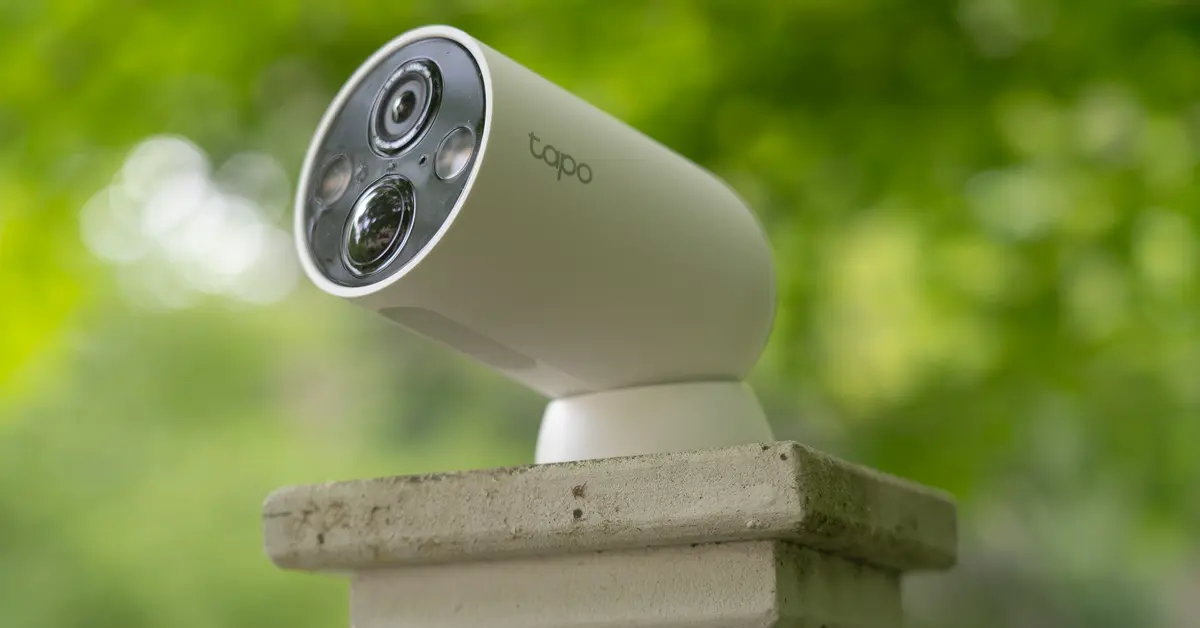
Why Bother with a Camera While Camping?
You might be thinking, “Isn’t a camera overkill for a camping trip?” It’s a fair question. But think about it this way: you’re in an unfamiliar environment with valuable gear. A camera isn’t just for catching a potential thief in the act.
- Deterrent: The mere presence of a visible camera can make a would-be opportunist think twice and move along.
- Peace of Mind: When you’re fishing at the lake or hiking a scenic trail a few miles away, you can quickly check your phone to see that your campsite, RV, and gear are all undisturbed.
- Wildlife Watch: Who says it has to be all about security? Your camera can double as a fantastic wildlife cam, capturing that curious deer or raccoon that visited your site overnight.
- Investigating Noises: Instead of unzipping your tent in the pitch-black darkness to investigate a strange noise, a quick look at your camera feed (with night vision!) can tell you if it’s a branch falling or something that needs your attention.
How Do These Gadgets Even Work in the Wild?
This is the million-dollar question. Your home Wi-Fi network is miles away, and power outlets are a luxury. So, how does a portable home camera for camping stay connected and powered? It boils down to two key areas: connectivity and power.
Connectivity: Cutting the Cord
Standard home cameras are useless without Wi-Fi. Camping cameras are built differently and typically use one of two methods to communicate:
- 4G/LTE Cellular Connection: This is the most robust and popular option for true off-grid security. These cameras work just like your smartphone. They have a SIM card slot, and you subscribe to a small data plan. As long as you have cell service at your campsite, the camera can send motion alerts and live video directly to your phone, no matter where you are.
- Wi-Fi Hotspot (Direct Connection): Some cameras can create their own small, localized Wi-Fi network. You can then connect your phone directly to the camera’s network to view footage. The major limitation here is range. You typically need to be within 50-100 feet of the camera. This is useful for checking on things from inside your RV or tent but won’t work if you leave the campsite.
Power: Staying Juiced Up
No outlets, no problem. These cameras are designed for energy independence.
- Rechargeable Batteries: Most are equipped with high-capacity, rechargeable lithium-ion batteries that can last for weeks or even months on a single charge, depending on usage.
- Solar Panels: This is the real game-changer. Many models come with, or can be paired with, a small solar panel. Just a few hours of direct sunlight each day can be enough to keep the battery topped up indefinitely, creating a truly set-and-forget security system.
Must-Have Features for Your Camping Camera
When you’re shopping for a portable home camera for camping, it’s easy to get lost in technical jargon. Here’s a simple checklist of what really matters for outdoor use.
- Long Battery Life and Solar Charging: This is non-negotiable. Look for cameras that explicitly mention long battery life and offer a solar panel accessory.
- IP65 or Higher Weatherproof Rating: The outdoors is unpredictable. An IP (Ingress Protection) rating tells you how resistant the camera is to dust and water. IP65 means it can handle dust and jets of water (like heavy rain) from any direction. Don’t settle for anything less.
- Cellular (4G/LTE) Connectivity: For true remote monitoring when you’re away from the site, this is the gold standard. Make sure it’s compatible with major carriers in the areas you plan to visit.
- Local SD Card Storage: You don’t want to rely solely on cloud storage, which uses up data. A camera with an SD card slot will record footage locally, so you have a physical backup and can review clips without an internet connection.
- Smart Motion Detection (PIR Sensor): A PIR (Passive Infrared) sensor detects body heat. This is far more accurate than simple pixel-change detection, which can be triggered by waving branches or shadows. This accuracy saves battery life by preventing false alarms.
- Clear Night Vision: A lot happens at night in the woods. Good infrared (black and white) or even color night vision is essential to see clearly in low-light and no-light conditions.
- Easy, Versatile Mounting: You won’t have a perfect wall to drill into. Look for cameras with versatile mounts, like straps for trees or powerful magnetic bases for attaching to your vehicle or RV.
|
Our Picks for the Best Home Camera in 2026
As an Amazon Associate, we earn from qualifying purchases.
|
||
| Num | Product | Action |
|---|---|---|
| 1 | Ring Battery Doorbell | Home or business security with Head-to-Toe Video, Live View with Two-Way Talk, and Motion Detection & Alerts (newest model), Venetian Bronze |

|
| 2 | WYZE Cam Pan v3, Indoor/Outdoor IP65-Rated 1080p Pan/Tilt/Zoom Wi-Fi Smart Home Security Camera with Color Night Vision, 2-Way Audio, Compatible with Alexa & Google Assistant, Free Expert Setup |
|
| 3 | Tapo TP-Link 1080P Indoor Security Camera for Baby Monitor, Dog Camera w/Motion Detection, 2-Way Audio Siren, Night Vision, Cloud & SD Card Storage, Works w/Alexa & Google Home C100 |
|
| 4 | Blink Mini 2 — Home Security & Pet Camera(s) with HD video, color night view, motion detection, two-way audio, and built-in spotlight — 1 camera (Black) |
|
| 5 | Ring Outdoor Cam (Stick Up Cam) | Weather-Resistant Outdoor Camera, Live View, Color Night Vision, Two-Way Talk, Motion alerts, Works with Alexa | White |
|
| 6 | TP-Link Tapo 2K Pan/Tilt Security Camera for Baby Monitor, Dog Camera w/Motion Detection, 2-Way Audio, Siren, Night Vision, Cloud & SD Card Storage, Works with Alexa & Google Home, 2-Pack (C210P2) |
|
| 7 | Kasa Smart Indoor Pan-Tilt Home Security Camera, 1080p HD Dog Camera w/Night Vision, Motion Detection for Baby & Pet Monitor, Cloud & SD Card Storage, Works w/ Alexa & Google Home, 2.4G WiFi (EC71) |
|
| 8 | TP-Link Tapo Pan/Tilt Security Camera for Baby Monitor, Pet Camera w/Motion Detection, 1080P, 2-Way Audio, Night Vision, Cloud & SD Card Storage, Works with Alexa & Google Home (Tapo C200) |
|
| 9 | WYZE Cam v4 (Latest Model), 2.5K AI Security Camera, Indoor/Outdoor Cameras for Home Security, Baby Monitor & Pet Camera, Vibrant Color Night Vision, No Subscription Required, Free Expert Help |
|
| 10 | 2K Cameras for Home Security-Outdoor/Indoor Camera for Dog/Cat/Pet/Nanny/Baby, Color Night Vision, White Light, Siren, 24/7 SD Recordings, Works with Alexa/Google Home, C1 (C1-White-2pack-2.4G) |
|
Setting Up Your Portable Home Camera for Camping
Getting your camera ready is easier than you think. Here’s a simple step-by-step guide. My advice? Do the initial setup at home first, where you have reliable internet and power.
- Fully Charge the Battery: Before you pack, plug the camera in and let it charge completely.
- Install SIM and SD Cards: If you’re using a 4G camera, activate your SIM card with the carrier and insert it along with a high-quality microSD card.
- Download the App and Pair: Get the manufacturer’s app on your smartphone. Follow the instructions to create an account and pair the camera. This is the step you definitely want to do at home.
- Configure Settings: Adjust motion sensitivity, set up notification preferences, and format the SD card through the app.
- Find the Perfect Spot: At the campsite, find a mounting location that gives you a good overview of your key areas (tent entrance, cooler, generator, RV door). Ideally, place it about 8-10 feet high and angled slightly down to get the best view and keep it out of easy reach.
- Test the Connection: Before you head out, use your phone to check the live view and ensure you’re receiving notifications properly.
What About Privacy in the Great Outdoors?
Using a camera, even for security, comes with a responsibility to be a good neighbor.
As cybersecurity analyst Dr. Evelyn Reed often advises, “Your security shouldn’t come at the expense of someone else’s privacy. The best security practices are both effective and ethical.”
Be mindful of your camera’s placement. Ensure it’s focused on your campsite and belongings, not pointing into your neighbor’s tent or RV windows. It’s also good practice to secure your camera’s app with a strong, unique password and enable two-factor authentication (2FA) if available. This prevents unauthorized access to your camera’s feed.
Frequently Asked Questions (FAQ)
Q: Do I really need Wi-Fi for a portable home camera for camping?
A: Absolutely not! That’s the beauty of them. The best models operate on 4G/LTE cellular networks, just like your phone, or record directly to an SD card. You do not need a traditional Wi-Fi router.
Q: How long do the batteries actually last on these cameras?
A: It varies greatly by model and usage, but a good quality camera can last from several weeks to a few months on a single charge in standby mode. If you pair it with a solar panel, it can potentially run indefinitely with sufficient sunlight.
Q: Can these cameras see in complete darkness?
A: Yes. Nearly all outdoor security cameras are equipped with infrared (IR) LEDs that allow them to see clearly in black and white in total darkness. Some advanced models even offer color night vision using highly sensitive sensors and small spotlights.
Q: Is it expensive to run a 4G cellular camera?
A: It’s more affordable than you might think. Data plans for security cameras are typically low-cost, as they only use data when they stream live video or send a notification. Many providers offer specific, budget-friendly plans for IoT (Internet of Things) devices like these.
Q: Can I just use my indoor Wi-Fi camera for camping?
A: It’s not recommended. Indoor cameras are not built to withstand the elements—rain, dust, and temperature changes can easily damage them. Furthermore, they rely on a constant power source and a Wi-Fi network, both of which are unavailable at most campsites.
Your Adventure, Secured
Heading into the great outdoors is about creating memories and enjoying the freedom. The last thing you want is to have that experience soured by worry or an unfortunate incident. A portable home camera for camping is a simple, effective tool that provides a powerful layer of security and, more importantly, a profound sense of peace. By choosing the right device with features tailored for the wild—like cellular connectivity, a long-lasting battery, and a weatherproof build—you’re not just protecting your gear; you’re protecting your ability to fully unplug and enjoy the adventure. Make the smart choice, and camp with confidence.