Hello there! It’s great to see you. As the Senior Security Solutions Expert at “An Ninh Gia Đình 247”, I spend my days helping folks find peace of mind. But lately, a fascinating question keeps popping up: “Can my home security be green?” The answer is a resounding yes. In fact, embracing an eco friendly lifestyle with a home camera is not only possible, it’s becoming easier and more impactful than ever. You might think of security cameras as just energy-consuming gadgets, but stick with me. I’m going to show you how the right tech, used the right way, can actually support your sustainable goals, all while keeping your home safe and sound.
For those interested in diving deep into a specific solution, understanding the nuances of a solar powered home camera for sustainable living is an excellent starting point.
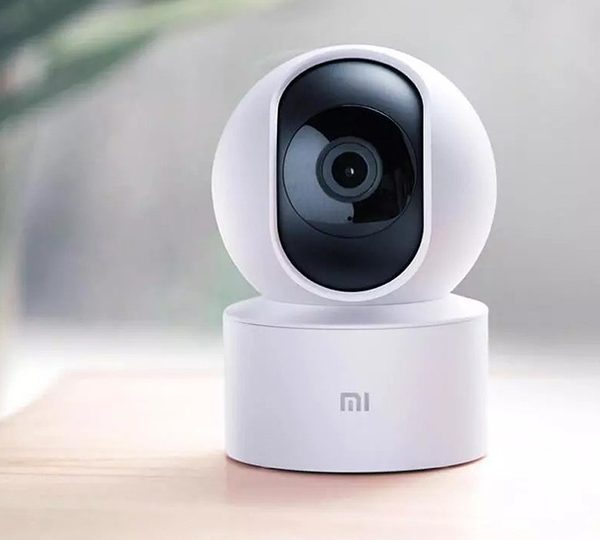
Why a Home Camera Can Be Surprisingly Eco-Friendly
Let’s get one thing straight: at its core, any electronic device consumes energy. The trick isn’t to avoid technology, but to use it smartly. A modern home camera can be a powerful ally in your quest to reduce your carbon footprint, often in ways you wouldn’t expect.
Think about it. How many times have you driven back home because you couldn’t remember if you turned off the air conditioner or closed the garage door? A quick check on your phone via a home camera saves you that trip, cutting down on fuel consumption and emissions. It’s a small win, but those small wins add up. Beyond that, these devices can help you monitor energy usage, check on your garden’s irrigation system for leaks, or even ensure your recycling and compost are undisturbed by pests. It’s about leveraging vision for efficiency.
What Are the Key Features of an Eco-Conscious Camera?
Not all cameras are created equal, especially when you’re looking through a green-tinted lens. If you want to merge security with sustainability, here are the non-negotiable features you should be looking for.
Power Source: The Heart of Green Security
This is the big one. How your camera gets its juice directly impacts its environmental footprint.
- Solar Power: This is the gold standard for an eco-friendly setup. Cameras with integrated solar panels harness the sun’s energy to charge their internal batteries. They are often completely wire-free, reducing manufacturing waste and operating with a net-zero energy consumption on sunny days. A great example of this evolution in home security is the increasing popularity of a solar powered home camera for sustainable living, which perfectly marries independence with environmental responsibility.
- Low-Power Modes: Look for cameras with advanced power-saving technology. These devices spend most of their time in a low-energy “sleep” state, only waking up fully when their sensors detect motion. This drastically extends battery life, meaning fewer charging cycles (and less energy pulled from the grid) over the device’s lifetime.
- Efficient Batteries: Cameras using rechargeable, high-capacity lithium-ion batteries are preferable to those requiring disposable ones. A long-lasting battery that can be recharged hundreds of times is infinitely better for the planet than a constant stream of single-use batteries heading to the landfill.
Smart AI and Efficient Recording
Why record an empty room for 8 hours straight? It’s a waste of energy and digital storage. Modern cameras with Artificial Intelligence (AI) are much smarter.
- Person/Vehicle/Animal Detection: Instead of triggering a recording every time a leaf blows by, AI-powered cameras can differentiate between significant events (a person approaching your door) and background noise.
- Reduced Data Load: This intelligent filtering means the camera records less, uploads less, and stores less. This doesn’t just save space on your hard drive; it reduces the energy burden on massive cloud data centers that store footage from millions of cameras worldwide.
Material and Durability: Built to Last
The greenest product is the one you don’t have to replace.
- Recycled Materials: A growing number of manufacturers are using post-consumer recycled plastics in their camera housings. It’s a small detail, but it contributes to a circular economy.
- Weatherproof and Vandal-Resistant: A durable, well-built camera that can withstand rain, sun, and tampering will serve you for years. Longevity is a cornerstone of sustainability. A cheap camera that breaks in a year creates e-waste and requires a whole new set of resources to manufacture its replacement.
How to Weave Your Eco Friendly Lifestyle with Home Camera Tech
Alright, you’ve chosen an energy-efficient camera. Now for the fun part: integrating it into your daily green routine. This is where your security device transforms into a sustainability tool.
- The Remote Energy Audit: Install a pan-and-tilt camera in your main living area. When you’re out, you can remotely pan around the room to check for lights left on, fans still spinning, or televisions glowing in an empty space. It’s like being there without the carbon cost of travel.
- The Garden Guardian: Use an outdoor camera to monitor your vegetable patch or automated sprinkler system. From my own experience, my backyard camera helped me spot a sputtering sprinkler head that was wasting gallons of water each morning. I fixed it that same day, a problem that might have gone unnoticed for weeks.
- The Compost Commander: A well-managed compost pile is a beautiful thing. A camera can help you keep an eye on it from a distance, ensuring it’s not attracting unwanted critters or showing signs of being too dry or too wet.
- Protecting Your Green Assets: Your electric vehicle charger, your solar panels, your rainwater harvesting barrels—these are valuable investments in a sustainable future. A home camera is the perfect, low-energy way to keep them secure.
|
Our Picks for the Best Home Camera in 2026
As an Amazon Associate, we earn from qualifying purchases.
|
||
| Num | Product | Action |
|---|---|---|
| 1 | 2K Cameras for Home Security-Outdoor/Indoor Camera for Dog/Cat/Pet/Nanny/Baby, Color Night Vision, White Light, Siren, 24/7 SD Recordings, Works with Alexa/Google Home, C1 (C1-White-2pack-2.4G) |

|
| 2 | TP-Link Tapo Pan/Tilt Security Camera for Baby Monitor, Pet Camera w/Motion Detection, 1080P, 2-Way Audio, Night Vision, Cloud & SD Card Storage, Works with Alexa & Google Home (Tapo C200) |
|
| 3 | WYZE Cam v4 (Latest Model), 2.5K AI Security Camera, Indoor/Outdoor Cameras for Home Security, Baby Monitor & Pet Camera, Vibrant Color Night Vision, No Subscription Required, Free Expert Help |
|
| 4 | Ring Battery Doorbell | Home or business security with Head-to-Toe Video, Live View with Two-Way Talk, and Motion Detection & Alerts (newest model), Venetian Bronze |
|
| 5 | Tapo TP-Link 1080P Indoor Security Camera for Baby Monitor, Dog Camera w/Motion Detection, 2-Way Audio Siren, Night Vision, Cloud & SD Card Storage, Works w/Alexa & Google Home C100 |
|
| 6 | Kasa Smart Indoor Pan-Tilt Home Security Camera, 1080p HD Dog Camera w/Night Vision, Motion Detection for Baby & Pet Monitor, Cloud & SD Card Storage, Works w/ Alexa & Google Home, 2.4G WiFi (EC71) |
|
| 7 | Ring Outdoor Cam (Stick Up Cam) | Weather-Resistant Outdoor Camera, Live View, Color Night Vision, Two-Way Talk, Motion alerts, Works with Alexa | White |
|
| 8 | Blink Mini 2 — Home Security & Pet Camera(s) with HD video, color night view, motion detection, two-way audio, and built-in spotlight — 1 camera (Black) |
|
| 9 | WYZE Cam Pan v3, Indoor/Outdoor IP65-Rated 1080p Pan/Tilt/Zoom Wi-Fi Smart Home Security Camera with Color Night Vision, 2-Way Audio, Compatible with Alexa & Google Assistant, Free Expert Setup |
|
| 10 | TP-Link Tapo 2K Pan/Tilt Security Camera for Baby Monitor, Dog Camera w/Motion Detection, 2-Way Audio, Siren, Night Vision, Cloud & SD Card Storage, Works with Alexa & Google Home, 2-Pack (C210P2) |
|
What About Privacy in a Green Smart Home?
It’s a valid and crucial question. Inviting a camera into your home, no matter how eco-friendly, requires a serious approach to digital security. Your peace of mind depends on knowing your private life stays private.
“The biggest mistake people make is using a weak or default password for their Wi-Fi network,” warns Dr. Alistair Finch, a cybersecurity specialist. “Your camera is only as secure as the network it’s connected to. Think of it as leaving the front door unlocked while installing the world’s best alarm system on the window.”
Here’s how to lock things down:
- Create a Strong, Unique Password: For both your camera account and your home Wi-Fi. Mix upper and lowercase letters, numbers, and symbols.
- Enable Two-Factor Authentication (2FA): This adds a second layer of security, usually a code sent to your phone, making it much harder for unauthorized users to gain access.
- Buy from Reputable Brands: Choose manufacturers with a clear privacy policy and a history of providing regular security updates.
- Be Mindful of Placement: Point cameras towards entryways and outdoor areas, not sensitive indoor spaces like bedrooms or bathrooms.
Frequently Asked Questions (FAQ)
Are solar-powered security cameras reliable in cloudy weather?
Yes, most are designed with this in mind. They store excess power in their batteries on sunny days to keep them running through several cloudy days, or even at night. For areas with very little sun, some models offer a USB charging option as a backup.
How much energy does a typical home camera use?
It varies, but a typical wired Wi-Fi camera uses very little—around 2-6 watts. That’s less than most modern LED light bulbs. Battery-powered and solar models use significantly less from the grid, often zero.
Can a home camera really help me save money on utility bills?
It can! By helping you identify and stop energy waste (lights left on, faulty sprinklers), it can lead to tangible savings on your electricity and water bills over time.
What’s the difference between local and cloud storage in terms of environmental impact?
Local storage (on an SD card or hard drive) uses a small amount of power in your home. Cloud storage relies on large, power-hungry data centers. For the most eco-friendly option, a camera that uses AI to record only essential events to the cloud is a great compromise.
Do I need a subscription for an Eco Friendly Lifestyle With Home Camera features?
Often, no. Core features like live viewing and motion alerts are usually free. Subscriptions typically unlock advanced AI features and extended cloud storage. You can be very eco-conscious with the free features alone.
Your Secure and Sustainable Home Awaits
Making the switch to an eco friendly lifestyle with a home camera is a powerful statement. It shows that security and sustainability aren’t opposing forces; they are partners in creating a home that is truly safe, smart, and responsible. By choosing energy-efficient hardware, using smart features to reduce waste, and integrating the camera into your green routines, you gain not only a view of your front door, but a clearer vision for a better future. Here at “An Ninh Gia Đình 247,” we believe that’s the ultimate peace of mind.