Let’s be honest, we’ve all had that nagging feeling. You’re out for the evening, or even just at the grocery store, and that little voice in your head asks, “Did I lock the back door?” or “What was that noise my dog was barking at?” Finding the right Home Camera Deals Today isn’t just about snagging a discount; it’s about buying peace of mind. It’s about transforming that anxiety into a calm sense of control, knowing you can check in on your sanctuary with a simple tap on your phone. As a security expert, I’ve seen firsthand how the right camera can be a total game-changer for a family’s sense of safety.
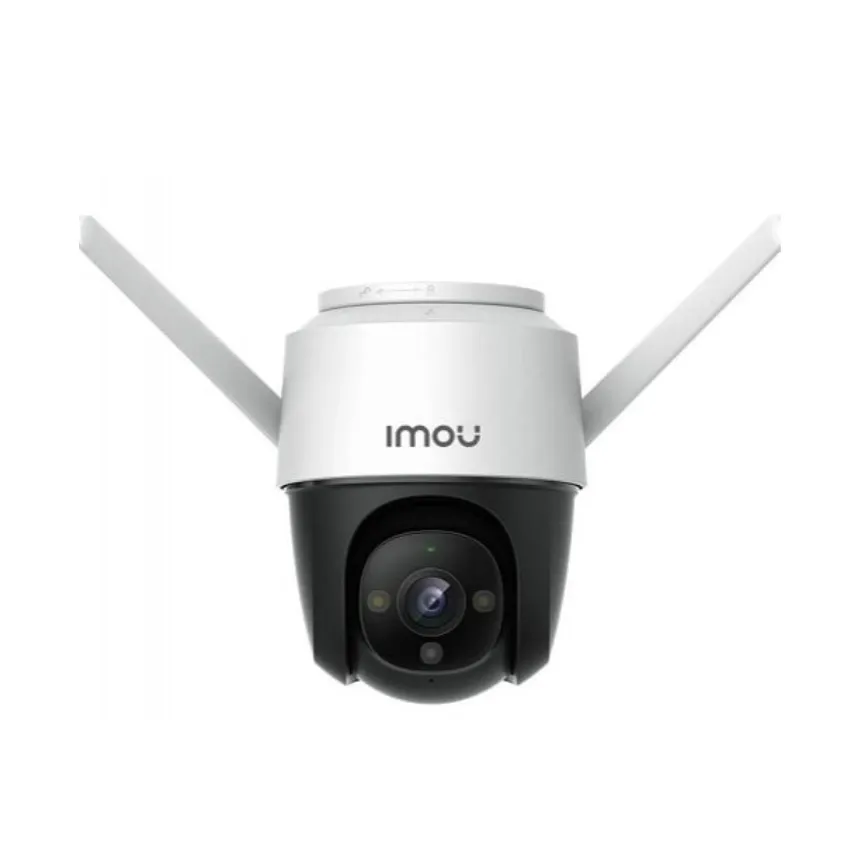
Why You Genuinely Need a Home Camera
You might think security cameras are only for preventing dramatic movie-style heists. The reality is far more practical. A few years ago, my own camera caught a “porch pirate” swiping a package right off my doorstep. The crystal-clear footage not only helped the local authorities but also led me to change my delivery instructions. It was a simple, affordable piece of tech that solved a very real problem.
Beyond deterring theft, home cameras serve so many everyday purposes:
- Checking on Pets: See what your furry friends are up to and even talk to them with two-way audio.
- Monitoring Children: Ensure the kids got home safely from school or check on a sleeping baby in the nursery.
- Screening Visitors: See who’s at the door before you even get off the couch, whether it’s a delivery driver or an unexpected guest.
- Elderly Care: Keep a respectful eye on elderly parents to ensure they’re safe and well, especially if they live alone.
What Types of Home Cameras Are Out There?
Navigating the world of home cameras can feel a bit overwhelming, but it really boils down to a few key categories. Understanding them is the first step to spotting the best home camera deals today.
Indoor vs. Outdoor Cameras
This is the most fundamental distinction. An indoor camera is designed for the controlled environment of your home, while an outdoor camera is built like a tank to withstand rain, snow, sun, and dust. Don’t be tempted to use an indoor camera outside; it simply won’t last. Outdoor models often have more powerful night vision and a more robust build.
Wired vs. Wire-Free
This refers to how the camera gets its power and, sometimes, its internet connection.
- Wired Cameras: These are plugged into a power outlet or connected via an Ethernet cable. They offer a constant, reliable feed without battery anxiety. The downside is that installation can be more involved, sometimes requiring you to drill holes or run cables.
- Wire-Free (Battery-Powered) Cameras: The ultimate in flexibility. You can place these cameras almost anywhere without worrying about outlets. However, you’ll need to recharge or replace the batteries periodically. They are perfect for areas where running a wire is just not practical.
Must-Have Features When Comparing Home Camera Deals Today
When you’re scrolling through deals, it’s easy to get lost in the technical jargon. Let’s cut through the noise. Here are the features that actually matter for your home’s security.
- Video Resolution: Look for 1080p (Full HD) as the bare minimum. This provides clear enough video to see faces and details. 2K or 4K resolutions offer even more detail, which can be great for zooming in on license plates, but often come with higher price tags and use more storage.
- Night Vision: A camera is useless if it can’t see in the dark. Most cameras use infrared (IR) LEDs for black-and-white night vision. Some newer models offer color night vision, which uses ambient light to produce a full-color image, making it much easier to identify things like clothing color or car details.
- Field of View: This is how wide an angle the camera can see, measured in degrees. A wider field of view (e.g., 130-160 degrees) means you need fewer cameras to cover a large area like a backyard or an open-plan living room.
- Two-Way Audio: This feature includes a built-in microphone and speaker. It allows you to not only hear what’s happening but also speak through the camera. It’s perfect for telling the delivery person where to leave a package or startling an intruder (or your cat on the kitchen counter).
- Smart Motion Detection: Basic motion detection sends you an alert for any movement—a swaying tree branch, a passing car, you name it. Smart detection uses AI to differentiate between people, animals, and vehicles, drastically reducing false alarms. This is a feature worth paying a little extra for.
- Storage Options: Where does your video footage go?
- Local Storage: A microSD card inside the camera saves footage directly. This is a one-time cost and is private, with no monthly fees.
- Cloud Storage: Your video is uploaded to the manufacturer’s secure servers. This is safer if a thief steals the camera itself, but it almost always requires a monthly subscription fee.
|
Our Picks for the Best Home Camera in 2026
As an Amazon Associate, we earn from qualifying purchases.
|
||
| Num | Product | Action |
|---|---|---|
| 1 | Tapo TP-Link 1080P Indoor Security Camera for Baby Monitor, Dog Camera w/Motion Detection, 2-Way Audio Siren, Night Vision, Cloud & SD Card Storage, Works w/Alexa & Google Home C100 |

|
| 2 | Ring Outdoor Cam (Stick Up Cam) | Weather-Resistant Outdoor Camera, Live View, Color Night Vision, Two-Way Talk, Motion alerts, Works with Alexa | White |
|
| 3 | Blink Mini 2 — Home Security & Pet Camera(s) with HD video, color night view, motion detection, two-way audio, and built-in spotlight — 1 camera (Black) |
|
| 4 | TP-Link Tapo Pan/Tilt Security Camera for Baby Monitor, Pet Camera w/Motion Detection, 1080P, 2-Way Audio, Night Vision, Cloud & SD Card Storage, Works with Alexa & Google Home (Tapo C200) |
|
| 5 | Kasa Smart Indoor Pan-Tilt Home Security Camera, 1080p HD Dog Camera w/Night Vision, Motion Detection for Baby & Pet Monitor, Cloud & SD Card Storage, Works w/ Alexa & Google Home, 2.4G WiFi (EC71) |
|
| 6 | 2K Cameras for Home Security-Outdoor/Indoor Camera for Dog/Cat/Pet/Nanny/Baby, Color Night Vision, White Light, Siren, 24/7 SD Recordings, Works with Alexa/Google Home, C1 (C1-White-2pack-2.4G) |
|
| 7 | TP-Link Tapo 2K Pan/Tilt Security Camera for Baby Monitor, Dog Camera w/Motion Detection, 2-Way Audio, Siren, Night Vision, Cloud & SD Card Storage, Works with Alexa & Google Home, 2-Pack (C210P2) |
|
| 8 | WYZE Cam Pan v3, Indoor/Outdoor IP65-Rated 1080p Pan/Tilt/Zoom Wi-Fi Smart Home Security Camera with Color Night Vision, 2-Way Audio, Compatible with Alexa & Google Assistant, Free Expert Setup |
|
| 9 | WYZE Cam v4 (Latest Model), 2.5K AI Security Camera, Indoor/Outdoor Cameras for Home Security, Baby Monitor & Pet Camera, Vibrant Color Night Vision, No Subscription Required, Free Expert Help |
|
| 10 | Ring Battery Doorbell | Home or business security with Head-to-Toe Video, Live View with Two-Way Talk, and Motion Detection & Alerts (newest model), Venetian Bronze |
|
A Simple Guide to Installing Your New Camera
You’ve found one of the best home camera deals today, and it’s just arrived. Don’t be intimidated! Modern cameras are designed for easy, DIY installation.
- Choose the Perfect Spot: For outdoor cameras, place them high enough to be out of easy reach (8-10 feet is ideal) and pointed towards entry points like your front door, back door, or driveway. For indoor cameras, corners of rooms offer the best vantage point.
- Power It Up: If it’s a wired camera, plug it in. If it’s wire-free, make sure the battery is fully charged before you mount it.
- Download the App: Every smart camera has a companion app for your smartphone. Download it from the Apple App Store or Google Play Store.
- Connect to Your Wi-Fi: The app will guide you through connecting the camera to your home’s Wi-Fi network. This usually involves scanning a QR code with the camera’s lens. It’s typically a painless process that takes just a few minutes.
- Mount the Camera: Once it’s connected and you can see a live feed on your phone, securely mount it in your chosen location. Test the angle and adjust as needed before you finish.
Let’s Talk Privacy: Securing Your Security Camera
A camera is meant to protect your privacy, not compromise it. The thought of someone hacking into your camera is scary, but thankfully, protecting yourself is straightforward.
“The single most important step any user can take is to create a strong, unique password for their camera’s account and enable two-factor authentication (2FA),” advises Dr. Evelyn Reed, a leading cybersecurity analyst. “It’s a simple, five-minute task that shuts the door on the vast majority of unauthorized access attempts.”
How can I make my home camera more secure?
You can significantly boost your camera’s security with a few key steps. First, always change the default username and password to something long and complex. Second, enable two-factor authentication (2FA) in the app’s settings. This sends a code to your phone before allowing a new login. Finally, keep your camera’s firmware updated to patch any security vulnerabilities.
Tying It All Together with Your Smart Home
Many of the best home camera deals today are for cameras that integrate seamlessly with smart home ecosystems like Amazon Alexa and Google Assistant. This unlocks a new level of convenience. You can simply say, “Alexa, show me the front door,” to see a live feed on your Echo Show or Fire TV. You can also create routines, like having your smart lights turn on automatically when your outdoor camera detects motion at night.
Frequently Asked Questions
Q: What’s the difference between a good deal and just a cheap camera?
A: A great deal gets you a camera with essential features like 1080p resolution, reliable smart motion detection, and good night vision from a reputable brand at a discounted price. A “cheap” camera often cuts corners on these core features, leading to grainy video, constant false alerts, and a frustrating user experience.
Q: Do I need to pay a monthly subscription for my home camera?
A: It depends on the model and how you want to store video. Many cameras offer free basic features, but if you want to store video clips in the cloud for an extended period (e.g., more than a few hours), a monthly subscription is usually required. Cameras with a local microSD card slot are a great alternative to avoid fees.
Q: Can home security cameras record 24/7?
A: Yes, many wired cameras offer the option for continuous 24/7 recording. However, most battery-powered cameras only record when motion is detected to conserve battery life. Choose a wired model if you require a constant, uninterrupted video record.
Q: How far can a home security camera see at night?
A: This varies by model. A typical indoor camera might have a night vision range of 25-30 feet, which is plenty for most rooms. A good outdoor camera can often see much further, with ranges from 50 feet to over 100 feet, depending on the power of its infrared LEDs.
Q: Are the home camera deals today better on certain days like Black Friday?
A: While major sales events like Black Friday and Amazon Prime Day often feature the steepest discounts, excellent home camera deals today can be found year-round. Brands frequently run promotions, so it’s always a good idea to keep an eye out and compare prices.
Your First Step Toward a More Secure Home
Choosing a home security camera is a powerful step toward protecting what matters most. It’s not about living in fear; it’s about empowering yourself with the tools to feel secure and in control. By understanding the key features that truly make a difference and keeping an eye on privacy, you can confidently navigate the many home camera deals today. You can find a solution that not only fits your budget but provides invaluable peace of mind, day and night.