Your backyard pool is an oasis of fun, relaxation, and cherished family memories. But let’s be honest, it can also be a source of worry. From keeping kids and pets safe to preventing uninvited late-night swimmers, ensuring your pool area is secure is paramount. That’s where the right Home Camera For Pool Area security becomes not just a gadget, but an essential tool for your peace of mind. As a Senior Security Solutions Expert at 24/7 Home Security, I’ve helped countless families find the perfect solution, and I’m here to walk you through everything you need to know.
Why Do You Really Need a Camera for Your Pool?
You might think of it as just another piece of tech, but a dedicated pool camera is a multi-layered safety and security system. It serves several critical purposes that go far beyond just recording video.
First and foremost is safety. A camera provides an extra set of eyes on the pool at all times, which is invaluable if you have children or pets. While it never replaces adult supervision, it can provide immediate alerts if motion is detected near the water’s edge when no one is supposed to be there. Just last summer, a client’s camera alerted them to their curious toddler wandering toward the pool steps, allowing them to intervene in seconds. It’s a modern-day pool fence that actively notifies you.
Second is security. Pools can unfortunately be a magnet for trespassers. A visible security camera is a powerful deterrent against neighborhood teens looking for a midnight dip or more malicious intruders. If an incident does occur, you’ll have crystal-clear video evidence to provide to law enforcement.
Finally, there’s the simple benefit of convenience. Wondering if the kids remembered to put the cover back on? Curious if the pool maintenance service showed up on time? A quick glance at your phone can give you the answer, no matter where you are.
What Makes a Great Home Camera for a Pool Area?
Not just any outdoor camera will do the trick when it comes to the unique environment of a pool. It’s a demanding location with water, harsh sunlight, and wide open spaces. Here are the non-negotiable features you need to look for.
Weatherproof or Bust: Understanding IP Ratings
This is the most critical feature. Your home camera for pool area needs to withstand rain, splashes, humidity, and dust. This resilience is measured by an Ingress Protection (IP) rating.
- IP65: Protected against jets of water from any direction. Good, but we can do better.
- IP66: Protected against powerful jets of water. This is a solid baseline for a pool camera.
- IP67: Can be submerged in up to 1 meter of water for 30 minutes. This is the gold standard for ultimate peace of mind around a pool.
Think of it this way: IP66 is like a heavy-duty raincoat, while IP67 is practically submersible. For a pool area, I always recommend aiming for IP66 or higher.
Seeing is Believing: Resolution and Night Vision
What good is a camera if you can’t make out important details? For a pool area, clarity is key.
- Resolution: 1080p (Full HD) is the absolute minimum. However, I strongly recommend a camera with 2K (QHD) or 4K (UHD) resolution. This higher detail allows you to zoom in on faces or license plates without the image becoming a pixelated mess.
- Night Vision: Your pool doesn’t close at sunset, and neither should your security. There are two main types:
- Infrared (IR): The classic black-and-white night vision. It’s reliable and can see in total darkness.
- Color Night Vision: Uses ambient light and advanced sensors to produce a full-color image at night. This is vastly superior for identifying details like the color of clothing. Look for cameras with built-in spotlights that can be triggered by motion to provide full-color video.
A Wider Perspective: Field of View and PTZ
Pool areas are often wide. You need a camera that can see the entire space, from the diving board to the patio doors.
- Wide-Angle Lens: A fixed camera with a field of view of at least 130 degrees can often cover a standard-sized pool area effectively.
- Pan-Tilt-Zoom (PTZ): These cameras are the MVPs of large-space monitoring. You can remotely control the camera to pan left and right, tilt up and down, and zoom in on specific areas. Many modern PTZ cameras also feature auto-tracking, where the camera will automatically follow a person who enters its field of view.
Smart Alerts that Matter: AI Detection
You don’t want your phone buzzing every time a leaf blows across the patio. This is where Artificial Intelligence (AI) comes in. Modern cameras can differentiate between people, animals, and vehicles. This means you can set your home camera for pool area to only notify you when a person is detected, dramatically reducing false alarms and ensuring you only get alerts that truly matter.
Our Picks for the Best Home Camera in 2026
As an Amazon Associate, we earn from qualifying purchases.
Num
Product
Action
1
Blink Mini 2 — Home Security & Pet Camera(s) with HD video, color night view, motion detection, two-way audio, and built-in spotlight — 1 camera (Black)

2
Ring Outdoor Cam (Stick Up Cam) | Weather-Resistant Outdoor Camera, Live View, Color Night Vision, Two-Way Talk, Motion alerts, Works with Alexa | White
3
Kasa Smart Indoor Pan-Tilt Home Security Camera, 1080p HD Dog Camera w/Night Vision, Motion Detection for Baby & Pet Monitor, Cloud & SD Card Storage, Works w/ Alexa & Google Home, 2.4G WiFi (EC71)
4
2K Cameras for Home Security-Outdoor/Indoor Camera for Dog/Cat/Pet/Nanny/Baby, Color Night Vision, White Light, Siren, 24/7 SD Recordings, Works with Alexa/Google Home, C1 (C1-White-2pack-2.4G)
5
TP-Link Tapo Pan/Tilt Security Camera for Baby Monitor, Pet Camera w/Motion Detection, 1080P, 2-Way Audio, Night Vision, Cloud & SD Card Storage, Works with Alexa & Google Home (Tapo C200)
6
Ring Battery Doorbell | Home or business security with Head-to-Toe Video, Live View with Two-Way Talk, and Motion Detection & Alerts (newest model), Venetian Bronze
7
WYZE Cam Pan v3, Indoor/Outdoor IP65-Rated 1080p Pan/Tilt/Zoom Wi-Fi Smart Home Security Camera with Color Night Vision, 2-Way Audio, Compatible with Alexa & Google Assistant, Free Expert Setup
8
WYZE Cam v4 (Latest Model), 2.5K AI Security Camera, Indoor/Outdoor Cameras for Home Security, Baby Monitor & Pet Camera, Vibrant Color Night Vision, No Subscription Required, Free Expert Help
9
Tapo TP-Link 1080P Indoor Security Camera for Baby Monitor, Dog Camera w/Motion Detection, 2-Way Audio Siren, Night Vision, Cloud & SD Card Storage, Works w/Alexa & Google Home C100
10
TP-Link Tapo 2K Pan/Tilt Security Camera for Baby Monitor, Dog Camera w/Motion Detection, 2-Way Audio, Siren, Night Vision, Cloud & SD Card Storage, Works with Alexa & Google Home, 2-Pack (C210P2)
|
Our Picks for the Best Home Camera in 2026
As an Amazon Associate, we earn from qualifying purchases.
|
||
| Num | Product | Action |
|---|---|---|
| 1 | Blink Mini 2 — Home Security & Pet Camera(s) with HD video, color night view, motion detection, two-way audio, and built-in spotlight — 1 camera (Black) |
|
| 2 | Ring Outdoor Cam (Stick Up Cam) | Weather-Resistant Outdoor Camera, Live View, Color Night Vision, Two-Way Talk, Motion alerts, Works with Alexa | White |
|
| 3 | Kasa Smart Indoor Pan-Tilt Home Security Camera, 1080p HD Dog Camera w/Night Vision, Motion Detection for Baby & Pet Monitor, Cloud & SD Card Storage, Works w/ Alexa & Google Home, 2.4G WiFi (EC71) |
|
| 4 | 2K Cameras for Home Security-Outdoor/Indoor Camera for Dog/Cat/Pet/Nanny/Baby, Color Night Vision, White Light, Siren, 24/7 SD Recordings, Works with Alexa/Google Home, C1 (C1-White-2pack-2.4G) |
|
| 5 | TP-Link Tapo Pan/Tilt Security Camera for Baby Monitor, Pet Camera w/Motion Detection, 1080P, 2-Way Audio, Night Vision, Cloud & SD Card Storage, Works with Alexa & Google Home (Tapo C200) |
|
| 6 | Ring Battery Doorbell | Home or business security with Head-to-Toe Video, Live View with Two-Way Talk, and Motion Detection & Alerts (newest model), Venetian Bronze |
|
| 7 | WYZE Cam Pan v3, Indoor/Outdoor IP65-Rated 1080p Pan/Tilt/Zoom Wi-Fi Smart Home Security Camera with Color Night Vision, 2-Way Audio, Compatible with Alexa & Google Assistant, Free Expert Setup |
|
| 8 | WYZE Cam v4 (Latest Model), 2.5K AI Security Camera, Indoor/Outdoor Cameras for Home Security, Baby Monitor & Pet Camera, Vibrant Color Night Vision, No Subscription Required, Free Expert Help |
|
| 9 | Tapo TP-Link 1080P Indoor Security Camera for Baby Monitor, Dog Camera w/Motion Detection, 2-Way Audio Siren, Night Vision, Cloud & SD Card Storage, Works w/Alexa & Google Home C100 |
|
| 10 | TP-Link Tapo 2K Pan/Tilt Security Camera for Baby Monitor, Dog Camera w/Motion Detection, 2-Way Audio, Siren, Night Vision, Cloud & SD Card Storage, Works with Alexa & Google Home, 2-Pack (C210P2) |
|
When it comes to selecting the perfect model, it can feel overwhelming. To simplify your search, we at 24/7 Home Security have curated a list of top-performing cameras that excel in pool environments. These models consistently deliver on the key features we’ve discussed: superior weatherproofing, high-resolution video, and intelligent, reliable alerts. Check out [our top recommendations for 2024] to compare features and find the perfect fit for your home.
Where is the Best Place to Install Your Pool Camera?
Proper placement is just as important as the camera itself. A great camera in a bad spot is an ineffective camera. Here’s a simple guide to optimal installation.
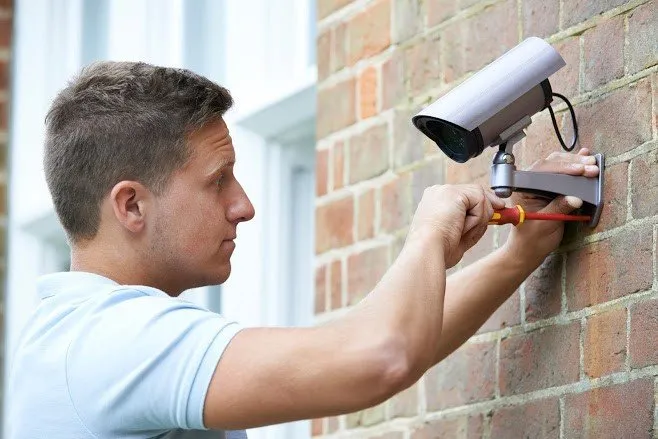
- Go High: Mount the camera high up, such as under the eaves of your house, at least 8-10 feet off the ground. This provides a commanding bird’s-eye view, making it difficult for intruders to tamper with.
- Cover the Entrances: Ensure the camera’s view covers all primary entry and exit points to the pool area, including gates and patio doors.
- Watch the Water: The primary goal is safety. Position the camera so it has an unobstructed view of the entire pool surface.
- Avoid Direct Sunlight: Pointing a camera directly into the sun will cause glare and “wash out” the image, rendering it useless for parts of the day. If possible, position it facing north or south to minimize direct sun exposure.
- Consider Your Power Source:
- Wi-Fi with Plug-in Power: The most common option, but requires a weatherproof outdoor outlet nearby.
- Power over Ethernet (PoE): This is the most reliable option. A single Ethernet cable provides both power and a stable internet connection, eliminating Wi-Fi dead zones.
- Wire-Free (Battery/Solar): Offers the most flexible placement but requires periodic battery charging or a compatible solar panel to keep it topped up.
Let’s Talk Privacy: Keeping Your Oasis Private
A camera in a sensitive area like a pool naturally brings up privacy concerns. It’s crucial to balance security with respect for your family and neighbors.
“The biggest mistake people make is using the default password. The very first thing you should do after unboxing your camera is to create a unique, strong password and enable two-factor authentication. It’s the digital lock on your front door.”
– Dr. Alistair Finch, Cybersecurity Specialist
Here are some best practices:
- Create Privacy Zones: Most high-quality cameras allow you to digitally black out certain parts of the camera’s view. You can use this to exclude a neighbor’s window or backyard from being recorded.
- Mind the Law: Be aware of your local and state laws regarding video and audio recording. In many places, it is illegal to record audio without the consent of all parties involved. It’s often wisest to disable audio recording on outdoor cameras.
- Secure Your Network: Your camera is only as secure as your Wi-Fi network. Ensure your home network is protected with a strong WPA2 or WPA3 password.
- Choose Local Storage: For maximum privacy, opt for a camera that offers local storage via a microSD card or a connected network video recorder (NVR). This means your footage stays within your home, not on a cloud server.
Frequently Asked Questions
Q: Can I just use an indoor camera outside for my pool?
A: Absolutely not. Indoor cameras are not built to withstand moisture, temperature fluctuations, or dust. Using one outdoors will void its warranty and lead to a quick failure. You must use a camera specifically designed for outdoor use with a proper IP rating.
Q: Do I need a professional to install a home camera for a pool area?
A: Not necessarily. Many modern Wi-Fi and wire-free cameras are designed for easy DIY installation. However, for a more complex PoE system or if you’re not comfortable with drilling and wiring, hiring a professional is a great idea to ensure it’s done safely and correctly.
Q: Will a pool camera use a lot of my internet bandwidth?
A: It can, especially if you’re streaming 4K video 24/7. However, most cameras only use significant bandwidth when you are live-viewing or when they upload a motion-triggered clip. If you’re concerned, a PoE camera connected directly to your router is the most stable option, and choosing a model with local SD card storage can minimize cloud uploads.
Q: How do I protect the camera from being stolen or vandalized?
A: The best defense is mounting it out of easy reach (8-10 feet high). Using tamper-resistant mounting hardware also helps. Many cameras will also send you an immediate alert and record a clip to the cloud if they detect tampering or are disconnected from power.
Q: Do I need a monthly subscription?
A: It depends on the camera and how you want to store your video. Many brands require a subscription for cloud storage, which allows you to access recorded clips from anywhere. However, many excellent models offer free local storage via a microSD card, eliminating the need for monthly fees.
Your Peace of Mind is Worth It
Choosing the right home camera for pool area security is one of the smartest investments you can make for your family’s safety and your own peace of mind. By focusing on key features like weatherproofing, video clarity, and smart detection, you can turn your backyard oasis into a secure, worry-free sanctuary. Take the time to assess your specific needs, choose a high-quality device, and enjoy your pool with the confidence that comes from knowing you’ve got an ever-watchful eye on guard.