Living a zero-waste lifestyle is all about making conscious choices. You meticulously sort your recycling, compost your food scraps, and choose products built to last. But what about home security? Finding the right Home Camera For Zero Waste Homes can feel like a contradiction. You want to protect your sanctuary, but the thought of adding another piece of plastic, energy-consuming electronics to your life can be daunting. I’m here to tell you that security and sustainability can absolutely go hand-in-hand. You just need to know what to look for.
For years, I’ve helped families find peace of mind, and I’ve seen a growing desire for tech that doesn’t compromise on values. A security camera isn’t just a gadget; it’s an investment in your safety. And like any good investment, it should be durable, efficient, and serve you well for a long, long time. Let’s break down how to choose a security system that protects your home while respecting the planet.
Why Your Zero Waste Home Still Needs a Security Camera
First, let’s address the elephant in the room. Why add electronics at all? The core principle of a zero-waste lifestyle is to reduce consumption, but it’s also about mindful living and protecting what matters most. A well-chosen security camera serves several key purposes that align with this ethos:
- Deterrence: The mere presence of a visible camera is often enough to deter potential intruders, preventing a break-in and the associated mess, waste, and emotional turmoil.
- Package Protection: With the rise of online shopping (even for sustainable goods), porch piracy is a real problem. A camera helps you monitor deliveries, reducing the chance of lost or stolen items that would need to be re-ordered and re-shipped, doubling the carbon footprint.
- Peace of Mind: Knowing your home is secure allows you to focus on other aspects of your sustainable lifestyle without worry. It’s about protecting the haven you’ve worked so hard to create.
The goal isn’t to avoid technology altogether, but to choose it wisely. A single, high-quality, long-lasting camera is infinitely better than a series of cheap, disposable ones that end up in a landfill.
The Zero Waste Mindset: What to Look for in a Home Camera
When you’re shopping for a home camera for zero waste homes, you need to look beyond the flashy features and apply the same principles you use for every other purchase. Think Reduce, Reuse, Repair—but for technology.
Durability and Build Quality
This is non-negotiable. A camera that dies after a year is a piece of e-waste waiting to happen.
- Materials: Look for cameras with robust construction. A metal housing will almost always outlast a flimsy plastic one.
- Weatherproofing: For outdoor cameras, a high IP rating (like IP66 or IP67) is crucial. It means the device is built to withstand rain, dust, and temperature extremes, ensuring a much longer lifespan.
- Brand Reputation: Choose brands known for reliability and long-term product support, not just the latest trendy gadget. A quick search for long-term reviews can be incredibly insightful.
Energy Efficiency
A camera that’s on 24/7 can be an energy drain. Look for models designed for low power consumption.
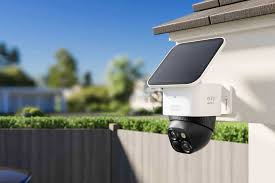
- Solar-Powered Options: This is the gold standard for an eco-friendly outdoor camera. A small, integrated solar panel can keep the camera’s battery charged indefinitely with just a few hours of sunlight per day, effectively taking it off the grid.
- Wired vs. Battery: While battery-powered cameras offer flexibility, they rely on rechargeable batteries that have a finite lifespan and eventually become hazardous waste. A wired camera (Power over Ethernet or standard plug-in) provides consistent, reliable power without the need for battery replacements. If you must go wireless, pick a model with a long-lasting, high-capacity battery to minimize charging cycles.
Subscription-Free Models with Local Storage
Many popular cameras push you into a monthly cloud subscription to store your video footage. This creates a cycle of perpetual digital consumption. The zero-waste alternative is local storage.
- SD Card Slot: Look for cameras that record directly to a microSD card. You buy the card once, and it can store weeks of footage, which the camera automatically overwrites when full. No monthly fees, no data centers consuming massive amounts of energy to store your cat videos.
- NVR/DVR Systems: For a more robust setup, a Network Video Recorder (NVR) acts as a central hub in your home, storing footage from multiple cameras on a single hard drive. It’s a one-time hardware purchase for long-term, private, and subscription-free security.
As Sustainable Technology Analyst Dr. Eleanor Vance often says, “The most sustainable product is the one you don’t have to replace. When choosing home technology, prioritize longevity and local control over short-term convenience and subscription models. It’s better for your wallet and the planet.”
|
Our Picks for the Best Home Camera in 2026
As an Amazon Associate, we earn from qualifying purchases.
|
||
| Num | Product | Action |
|---|---|---|
| 1 | 2K Cameras for Home Security-Outdoor/Indoor Camera for Dog/Cat/Pet/Nanny/Baby, Color Night Vision, White Light, Siren, 24/7 SD Recordings, Works with Alexa/Google Home, C1 (C1-White-2pack-2.4G) |

|
| 2 | Blink Mini 2 — Home Security & Pet Camera(s) with HD video, color night view, motion detection, two-way audio, and built-in spotlight — 1 camera (Black) |
|
| 3 | Ring Outdoor Cam (Stick Up Cam) | Weather-Resistant Outdoor Camera, Live View, Color Night Vision, Two-Way Talk, Motion alerts, Works with Alexa | White |
|
| 4 | WYZE Cam Pan v3, Indoor/Outdoor IP65-Rated 1080p Pan/Tilt/Zoom Wi-Fi Smart Home Security Camera with Color Night Vision, 2-Way Audio, Compatible with Alexa & Google Assistant, Free Expert Setup |
|
| 5 | TP-Link Tapo Pan/Tilt Security Camera for Baby Monitor, Pet Camera w/Motion Detection, 1080P, 2-Way Audio, Night Vision, Cloud & SD Card Storage, Works with Alexa & Google Home (Tapo C200) |
|
| 6 | WYZE Cam v4 (Latest Model), 2.5K AI Security Camera, Indoor/Outdoor Cameras for Home Security, Baby Monitor & Pet Camera, Vibrant Color Night Vision, No Subscription Required, Free Expert Help |
|
| 7 | TP-Link Tapo 2K Pan/Tilt Security Camera for Baby Monitor, Dog Camera w/Motion Detection, 2-Way Audio, Siren, Night Vision, Cloud & SD Card Storage, Works with Alexa & Google Home, 2-Pack (C210P2) |
|
| 8 | Kasa Smart Indoor Pan-Tilt Home Security Camera, 1080p HD Dog Camera w/Night Vision, Motion Detection for Baby & Pet Monitor, Cloud & SD Card Storage, Works w/ Alexa & Google Home, 2.4G WiFi (EC71) |
|
| 9 | Ring Battery Doorbell | Home or business security with Head-to-Toe Video, Live View with Two-Way Talk, and Motion Detection & Alerts (newest model), Venetian Bronze |
|
| 10 | Tapo TP-Link 1080P Indoor Security Camera for Baby Monitor, Dog Camera w/Motion Detection, 2-Way Audio Siren, Night Vision, Cloud & SD Card Storage, Works w/Alexa & Google Home C100 |
|
Choosing the Right Type of Home Camera for Zero Waste Homes
So, what does this look like in practice? Let’s compare the main types of cameras through our sustainability lens.
| Camera Type | Pros for Zero Waste | Cons for Zero Waste | Best For |
|---|---|---|---|
| Solar-Powered | Runs on renewable energy; Minimal grid impact; Often wire-free installation. | Relies on sunlight; Battery will eventually degrade; Initial cost can be higher. | Outdoor areas with good sun exposure, like a backyard, driveway, or shed. |
| Wired (PoE/Plug-in) | Highly reliable; No batteries to replace; Often more powerful features. | Requires drilling/cabling; Consumes grid electricity continuously. | Key entry points like the front door, garage, or main indoor areas for maximum reliability. |
| Battery-Powered | Easy to install anywhere; No wires. | Batteries require frequent recharging; Battery lifespan is finite, creating e-waste; Less eco-friendly. | Renters or locations where running a wire is impossible, like on a brick facade. |
For most zero-waste homes, a hybrid approach works best. A solar-powered camera watching the garden and a reliable wired camera covering the front door creates a perfect balance of efficiency and security.
How to Install Your Camera for Minimal Impact
How you install your camera matters, too. The goal is strategic placement to maximize coverage with the fewest possible devices.
- Survey Your Property: Walk around your home and identify the most vulnerable points. This usually includes the front door, back door, ground-floor windows, and garage.
- Find High Vantage Points: Place cameras high up, looking down at an angle. This gives you a wider field of view, meaning one camera can often cover an area that might otherwise require two.
- Utilize Corners: Installing a camera in the corner of a building or a room can often cover two directions at once.
- Use Existing Infrastructure: If you’re installing a wired camera, can you run the cable along an existing conduit or hide it under the eaves instead of drilling new holes? Every little bit of reduction helps.
Protecting Your Privacy: A Key Part of Mindful Tech
A sustainable lifestyle is also about creating a safe and private space. The last thing you want is for your security camera to become a security risk.
- Strong Passwords: The first thing you should do is change the default password to something long, unique, and complex.
- Two-Factor Authentication (2FA): Always enable 2FA if the brand offers it. This means that even if someone steals your password, they can’t access your camera feed without a second code, usually sent to your phone.
- Choose Reputable Brands: Stick with brands that have a proven track record on security and are transparent about their data policies. Avoid no-name cameras that may have serious security vulnerabilities.
- Regular Updates: Just like your phone or computer, your camera’s firmware needs to be updated to patch security holes. A good brand will push these updates automatically or make them easy to install.
Frequently Asked Questions
Q: Are solar-powered cameras reliable enough for home security?
A: Absolutely. Modern solar-powered cameras are highly efficient. As long as the panel gets a few hours of direct sunlight each day, it can keep the battery topped off. For regions with long, overcast winters, you might need to occasionally bring the battery inside to charge, but for most climates, they are a set-and-forget solution.
Q: What should I do with my old security camera to avoid e-waste?
A: First, see if it can be repaired or repurposed. Maybe it can be used indoors to monitor a pet or a garage. If it’s truly at the end of its life, look for a local, certified e-waste recycling program. These facilities can safely recover valuable materials and dispose of hazardous components correctly. Never throw electronics in the regular trash.
Q: Is a camera with local storage more secure than a cloud-based one?
A: It can be. With local storage, your video footage never leaves your home network unless you choose to access it remotely. This eliminates the risk of a massive data breach at a cloud provider’s end. However, you are responsible for securing your home network (with a strong Wi-Fi password) and the camera itself.
Q: Do I need to compromise on features like night vision or motion detection for an eco-friendly camera?
A: Not at all! Features like high-definition video, color night vision, and smart motion detection are available on all types of cameras, including highly efficient solar and wired models. In fact, smart motion detection that only records when there’s an event is a great energy-saving feature.
Q: How many cameras do I actually need?
A: It’s always best to start with less. Begin with one or two cameras covering your main entry points. Live with them for a few weeks and see if you have any significant blind spots. Often, a single well-placed camera at the front and back of the house is all a small-to-medium-sized home really needs for peace of mind.
Your Secure and Sustainable Choice
Choosing a home camera for zero waste homes isn’t about finding a perfect, waste-free product, but about making the most responsible and conscious decision. By prioritizing durability, energy efficiency, and local data control, you can implement a powerful security solution that aligns beautifully with your values. You don’t have to choose between protecting your family and protecting the planet. With the right knowledge, you can confidently do both.