Ever get that nagging feeling after you’ve left the house? Did I close the garage door? Is the new puppy chewing on the sofa? Who’s at the door? For years, home security was about reacting to the worst-case scenario. But today, the Home Camera With Smart Alerts Lifestyle is about proactively staying connected to your home in a way that brings convenience and peace of mind, not just paranoia. It’s less about catching a burglar and more about catching the little moments—and important events—that make up your life.
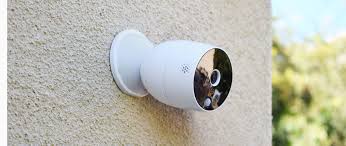
Why Do You Really Need a Home Camera?
Let’s be honest, when most people think of a security camera, they picture a grainy, black-and-white video of a shadowy figure. But that’s an outdated picture. A modern smart camera is a window into your world, available right on your phone.
Think about it this way:
- The Pet Parent: You’re at work, wondering if your furry friend is behaving. A smart camera can send you a “pet detected” alert, letting you see Fido is just napping on his bed (and not on your new rug). You can even use two-way audio to say hello.
- The Busy Parent: Your kids get home from school before you do. Instead of waiting for a text, you get a notification that a person has been detected at the front door, and you can quickly check the live feed to see them walk in safely.
- The Online Shopper: We all live for that “package delivered” notification. But a home camera with smart alerts lifestyle takes it a step further. You get a specific “package detected” alert, and you can watch the delivery person place it safely on your porch, giving you proof of delivery and deterring porch pirates.
- The Caregiver: For those with elderly parents living independently, a camera can be a non-intrusive way to check in. It’s a simple way to ensure they are moving about their day as usual, providing immense reassurance without constant phone calls.
My own camera once sent me a motion alert from the backyard. Instead of a threat, I saw a deer and her fawn peacefully grazing by the garden. It was a beautiful, unexpected moment I would have otherwise missed. That’s the “lifestyle” part—it’s about being connected to your space in its entirety.
From Dumb Motion to Smart Detection: What’s the Difference?
The secret sauce that makes the modern home camera so powerful is the “smart” in smart alerts. This is where Artificial Intelligence (AI) comes into play, and it’s a total game-changer.
The Old Way: Basic Motion Alerts
Traditional security cameras used simple motion detection. If anything moved, you got an alert. A car’s headlights sweeping across your driveway? Alert. A tree branch swaying in the wind? Alert. A plastic bag blowing across the lawn? You guessed it—alert. This leads to “notification fatigue,” where you get so many false alarms that you start ignoring them, defeating the whole purpose.
The New Way: AI-Powered Smart Alerts
A true home camera with smart alerts lifestyle is built on AI that can differentiate between objects. This means you can customize your notifications to only receive alerts for what truly matters to you. Common smart alerts include:
- Person Detection: The camera knows the difference between a person and a passing car. This is the most crucial feature for genuine security.
- Package Detection: It recognizes the shape and placement of a box, specifically alerting you to deliveries.
- Vehicle Detection: Useful for knowing when someone has pulled into your driveway.
- Animal Detection: It can distinguish between a person and a pet or a stray animal.
- Specific Sound Alerts: Some advanced cameras can even recognize the specific sounds of a smoke alarm, a CO alarm, or breaking glass and send you a critical warning.
“The biggest leap in home security isn’t just seeing what’s happening; it’s understanding it. AI-powered person and package detection filters out the noise, so when your phone buzzes, you know it’s something worth your attention,” notes Dr. Alistair Finch, a leading cybersecurity and smart home integration specialist.
What to Look for When Choosing Your Smart Camera
Navigating the world of home cameras can feel overwhelming with all the technical jargon. Let’s break down the features that really count.
Core Camera Features
- Video Resolution: Look for at least 1080p (Full HD) for a clear image. 2K or 4K resolutions offer even more detail, which can be helpful for zooming in on faces or license plates.
- Night Vision: This is non-negotiable. Most cameras use infrared (IR) LEDs for black-and-white night vision. Some newer models offer color night vision, which uses ambient light or a small spotlight to provide a full-color image in low-light conditions.
- Field of View: This is how wide an angle the camera can see, measured in degrees. A wider field of view (e.g., 130-160 degrees) means you need fewer cameras to cover a large area like a backyard or an open-plan living room.
- Two-Way Audio: A built-in microphone and speaker let you listen in and talk back through the camera. It’s perfect for telling the delivery driver where to leave a package or startling an intruder (or your cat on the counter).
- Storage Options: Where does your video go? You generally have two choices:
- Local Storage: The video is saved on a microSD card or a local base station. This is a one-time cost and is more private as your data stays in your home.
- Cloud Storage: Your video is uploaded to the manufacturer’s servers. This usually requires a monthly subscription but ensures your footage is safe even if the camera is stolen or damaged.
Indoor vs. Outdoor Cameras
While some cameras can be used in either setting, it’s best to choose one designed for the job. Outdoor cameras need to be weather-resistant (look for an IP rating like IP65 or higher) and are often built to withstand rain, snow, and extreme temperatures. They also have different power considerations. For those tricky outdoor spots without easy access to an outlet, or for anyone interested in a greener solution, exploring a solar powered home camera for sustainable living can be a game-changer, offering installation flexibility and energy efficiency.
|
Our Picks for the Best Home Camera in 2026
As an Amazon Associate, we earn from qualifying purchases.
|
||
| Num | Product | Action |
|---|---|---|
| 1 | 2K Cameras for Home Security-Outdoor/Indoor Camera for Dog/Cat/Pet/Nanny/Baby, Color Night Vision, White Light, Siren, 24/7 SD Recordings, Works with Alexa/Google Home, C1 (C1-White-2pack-2.4G) |

|
| 2 | WYZE Cam v4 (Latest Model), 2.5K AI Security Camera, Indoor/Outdoor Cameras for Home Security, Baby Monitor & Pet Camera, Vibrant Color Night Vision, No Subscription Required, Free Expert Help |
|
| 3 | Blink Mini 2 — Home Security & Pet Camera(s) with HD video, color night view, motion detection, two-way audio, and built-in spotlight — 1 camera (Black) |
|
| 4 | Tapo TP-Link 1080P Indoor Security Camera for Baby Monitor, Dog Camera w/Motion Detection, 2-Way Audio Siren, Night Vision, Cloud & SD Card Storage, Works w/Alexa & Google Home C100 |
|
| 5 | Ring Outdoor Cam (Stick Up Cam) | Weather-Resistant Outdoor Camera, Live View, Color Night Vision, Two-Way Talk, Motion alerts, Works with Alexa | White |
|
| 6 | Ring Battery Doorbell | Home or business security with Head-to-Toe Video, Live View with Two-Way Talk, and Motion Detection & Alerts (newest model), Venetian Bronze |
|
| 7 | TP-Link Tapo Pan/Tilt Security Camera for Baby Monitor, Pet Camera w/Motion Detection, 1080P, 2-Way Audio, Night Vision, Cloud & SD Card Storage, Works with Alexa & Google Home (Tapo C200) |
|
| 8 | TP-Link Tapo 2K Pan/Tilt Security Camera for Baby Monitor, Dog Camera w/Motion Detection, 2-Way Audio, Siren, Night Vision, Cloud & SD Card Storage, Works with Alexa & Google Home, 2-Pack (C210P2) |
|
| 9 | Kasa Smart Indoor Pan-Tilt Home Security Camera, 1080p HD Dog Camera w/Night Vision, Motion Detection for Baby & Pet Monitor, Cloud & SD Card Storage, Works w/ Alexa & Google Home, 2.4G WiFi (EC71) |
|
| 10 | WYZE Cam Pan v3, Indoor/Outdoor IP65-Rated 1080p Pan/Tilt/Zoom Wi-Fi Smart Home Security Camera with Color Night Vision, 2-Way Audio, Compatible with Alexa & Google Assistant, Free Expert Setup |
|
Privacy Concerns and How to Secure Your Camera
Bringing a camera into your home is a big step, and privacy should be your top priority. The good news is that you have a lot of control over securing your device. Think of it like locking your front door—it just takes a few simple steps.
- Use a Strong, Unique Password: Don’t reuse your email or social media password. Create a long, complex password for your camera app account that includes a mix of upper and lowercase letters, numbers, and symbols.
- Enable Two-Factor Authentication (2FA): This is arguably the most important security step. 2FA requires a second piece of information (usually a code sent to your phone) in addition to your password to log in. This means that even if a hacker steals your password, they can’t access your camera without your phone.
- Keep Firmware Updated: Manufacturers regularly release updates that patch security vulnerabilities. Enable automatic updates in your camera’s app so you’re always protected.
- Secure Your Home Wi-Fi Network: Your camera is only as secure as the network it’s connected to. Make sure your home Wi-Fi has a strong password and uses WPA2 or WPA3 encryption.
Integrating Your Camera into a Smarter Home
The true magic of the home camera with smart alerts lifestyle unfolds when it starts working with your other smart devices. This is where convenience and security blend seamlessly.
Imagine these scenarios:
- Your outdoor camera detects a person on your porch after 10 PM. It automatically tells your smart lights to turn on, illuminating the area and deterring any would-be intruders.
- You say, “Alexa, show me the backyard” to your Echo Show, and the live feed from your camera instantly appears on the screen.
- Your camera’s smoke alarm detection triggers an alert, and your smart home system automatically unlocks the front door and turns on all the lights to help your family exit safely.
This level of integration transforms your camera from a passive observer into an active participant in your home’s safety and daily routines.
Frequently Asked Questions
How much internet data does a home camera with smart alerts use?
This varies greatly depending on the video resolution and how much activity it records. Streaming in 1080p or 4K will use more data than 720p. Most cameras only upload significant amounts of data when motion is detected, but constant streaming can use anywhere from 60GB to 400GB of data per month.
Can I use a home camera without a monthly subscription?
Absolutely. Many cameras offer local storage via a microSD card, which allows you to record and view footage without any ongoing fees. However, advanced features like specific AI alerts (person vs. package), extended cloud storage history, and custom activity zones often require a subscription plan.
Are smart alerts always 100% accurate?
They have become incredibly accurate, but no system is perfect. You may occasionally get a false alert, for example, if a shadow perfectly mimics the shape of a person. However, high-quality cameras allow you to adjust motion sensitivity and create activity zones (areas to ignore motion, like a public sidewalk) to dramatically reduce these false positives.
Do home cameras record all the time?
It depends on the model and your settings. Some cameras offer 24/7 continuous video recording (CVR), which captures everything but requires more storage and bandwidth. Most battery-powered cameras record only when motion is detected to conserve power. Event-based recording is sufficient for most people’s needs.
Is it legal to have security cameras at home?
In most places, it is legal to have cameras on your own property for security purposes. However, laws regarding audio recording are much stricter; you generally cannot record conversations of people who do not have a reasonable expectation of being recorded. Always check your local and state laws, and be mindful of your neighbors’ privacy by avoiding pointing cameras directly into their homes or private yards.
Your Home, Smarter and Safer
Ultimately, embracing a home camera with smart alerts lifestyle is about reclaiming your peace of mind. It’s about knowing your home is secure, your loved ones are safe, and your packages are accounted for, all with a quick glance at your phone. It transforms a simple security gadget into an indispensable tool for modern living, connecting you to your home in ways that are both meaningful and incredibly reassuring. The right camera doesn’t just watch your home; it helps you live in it more confidently.