It’s a sinking feeling, isn’t it? You go to check your security camera footage after noticing something unusual, only to find a blank screen. Your first thought is often, “What’s the point of a security camera if it doesn’t record?” As a Senior Security Solutions Expert at An Ninh Gia Dinh 247, I can tell you that figuring out How To Fix Home Camera Not Recording is one of the most common issues homeowners face. But don’t worry. More often than not, the fix is simpler than you think. This guide will walk you through the troubleshooting process step-by-step, just like I would with my own clients, to get your eyes back on your home.
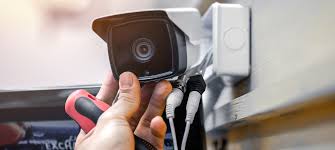
First, Why Did My Home Camera Stop Recording?
Before we dive into the fixes, let’s understand the usual suspects. A camera that stops recording is like a car that won’t start; it’s usually due to one of a few key components failing. Think of it in four main categories:
- Power Problems: No power, no recording. It’s the most basic but often overlooked issue.
- Connectivity Issues: Your camera needs to talk to your network. If the Wi-Fi signal is weak or down, it can’t send the footage anywhere.
- Storage Trouble: This is the big one. Whether you use a local SD card or cloud storage, if it’s full, faulty, or disconnected, your camera has nowhere to save new videos.
- Incorrect Settings: Sometimes, the camera is working perfectly, but a simple setting—like a recording schedule or a motion detection zone—is preventing it from capturing footage.
Your Step-by-Step Guide on How to Fix Home Camera Not Recording
Alright, let’s roll up our sleeves and get this sorted. Follow these steps in order. I’d bet that by step three or four, your camera will be back in business.
Step 1: The Classic Reboot (Power Cycle)
I know, I know. It sounds too simple. But you’d be amazed how often this works. Electronic devices, including your security camera, can develop temporary glitches. A reboot clears its short-term memory and forces it to re-establish all its connections.
- Unplug the camera from its power source. Don’t just turn it off with a switch; physically disconnect the power cord.
- Wait for at least 60 seconds. This gives the internal components time to fully power down.
- Plug the camera back in and give it a few minutes to boot up and reconnect to your network.
- Check the app. See if it has started recording new events. If so, problem solved! If not, move on to the next step.
Step 2: Investigate Your Wi-Fi Connection
Your camera is part of your home network. If that network is shaky, your camera’s performance will be, too. It might be online and streaming live video, but the connection might not be strong or stable enough to upload recordings.
- Check Your Internet: Are other devices in your home connected to the internet? Try loading a webpage on your phone while connected to the same Wi-Fi. If your internet is down, that’s your problem.
- Reboot Your Router: Just like the camera, your router can benefit from a fresh start. Unplug it, wait a minute, and plug it back in. This can resolve a host of mysterious connectivity issues.
- Check Signal Strength: In your camera’s app, there’s usually a settings section that shows the Wi-Fi signal strength. If it’s weak (one or two bars), the camera may be too far from the router. Consider moving the router closer or investing in a Wi-Fi extender.
Step 3: The Heart of the Matter – Diagnose Storage Issues
This is where I see most recording problems originate. Your camera needs a reliable place to store its video files.
For Cameras Using an SD Card
A local SD card is convenient, but it’s also a physical component that can fail.
- Check if the Card is Full: Many cameras have a “loop recording” feature that automatically overwrites the oldest footage when the card is full. If this feature is turned off, the camera will simply stop recording once the card is at capacity. Check your app settings to enable loop recording.
- Reformat the SD Card: Over time, an SD card’s file system can become corrupted. Most camera apps have a function to “Format SD Card” in the storage settings. Warning: This will erase all existing footage on the card, so back up anything important first. Reformatting gives the card a clean slate.
- Test or Replace the Card: SD cards wear out, especially “high endurance” cards designed for constant writing and rewriting. If reformatting doesn’t work, remove the card and try a different one. Make sure you’re using a card from a reputable brand (like SanDisk or Samsung) and that it’s the correct class (usually Class 10 or U3) for video recording.
“Many people buy the cheapest SD card they can find, but for a security camera, that’s a mistake. A low-quality card is the single most common point of failure in a local recording setup. Invest in a ‘High Endurance’ card; it’s designed specifically for the constant workload of a security camera.”
— Dr. Evelyn Reed, Smart Home Security Analyst
For Cameras Using Cloud Storage
Cloud storage is generally more reliable, but it’s not immune to problems.
- Check Your Subscription Status: Has your free trial expired? Did your credit card on file expire? Log in to your account on the manufacturer’s website (not just the app) and confirm that your cloud recording subscription is active.
- Verify Cloud Service Status: On rare occasions, the company’s cloud service might be experiencing an outage. Check their official website or social media channels for any service status updates.
- Check Upload Speed: Your internet might be fast for downloading, but cloud cameras rely on upload speed. Run a speed test (you can search for one online) and ensure your upload speed meets the camera manufacturer’s minimum requirements, especially if you have multiple cameras.
Step 4: Dig Into Your Camera’s Settings
Sometimes the hardware is fine, but the software instructions are telling it not to record.
- Check Recording Schedules: Did you accidentally set up a schedule that tells the camera to only record during certain hours? Go into the settings and ensure it’s set to record 24/7 or during the times you need.
- Review Motion Detection Sensitivity and Zones: If your camera is set to record only on motion, check the sensitivity level. If it’s too low, it might not be picking up activity. Also, check your “activity zones.” You might have drawn a zone that excludes the very area you’re trying to monitor. Try resetting the zones and sensitivity to their default settings to test.
Step 5: Update Everything
Manufacturers regularly release updates for both the camera’s internal software (firmware) and the smartphone app. These updates often include bug fixes that can resolve recording issues.
- Update the Firmware: In the app’s settings, look for an “About Device” or “Firmware Update” section. If an update is available, install it.
- Update the App: Go to your phone’s app store (Google Play Store or Apple App Store) and check for updates to your camera’s app.
How to Prevent Recording Failures in the Future
Fixing the problem is great, but preventing it is even better. Here’s a quick checklist to keep your system running smoothly:
- Schedule a Monthly Check-in: Once a month, take five minutes to open the app, review a few recent recordings, and check the storage status.
- Use High-Quality Storage: As mentioned, invest in a high-endurance SD card. It’s worth the small extra cost for reliability.
- Ensure a Stable Power Source: Plug your camera into a reliable outlet. For critical outdoor cameras, consider a small Uninterruptible Power Supply (UPS) to keep it running during brief power outages.
- Maintain Good Wi-Fi Health: Keep your router’s firmware updated and positioned centrally in your home.
Frequently Asked Questions
Q: Why does my camera only record for a few seconds?
A: This is usually a setting related to motion detection. Your camera is set to record for a fixed duration (e.g., 10-15 seconds) after motion is detected. Check your app’s settings for “recording length” or “clip duration” to see if you can extend it.
Q: Can a full SD card stop a camera from recording?
A: Yes, absolutely. If “loop recording” (or “overwrite”) is turned off, the camera will stop recording once the card is full. It’s one of the most common reasons for recording failure, so enabling this feature is highly recommended.
Q: My camera is online and I can see the live feed, but it’s not recording. What’s wrong?
A: This almost always points to a storage problem. Your live stream doesn’t rely on storage, but recordings do. Follow Step 3 very carefully—check your SD card health or your cloud subscription status.
Q: How often should I reformat my camera’s SD card?
A: As a preventative measure, it’s a good practice to reformat your SD card every 3-6 months. This helps clear out any potential file corruption before it becomes a problem that stops your camera from recording. Just remember to save any important clips first.
Q: Can bad weather cause my outdoor camera to stop recording?
A: Yes, indirectly. Heavy rain or wind can cause power flickers that reset the camera. It can also interfere with the Wi-Fi signal between the camera and your router, especially if the signal is already weak.
Your Peace of Mind is Worth the Effort
A security camera that doesn’t record is little more than a visual deterrent. By patiently working through these steps, you can diagnose and solve the vast majority of recording issues yourself. Taking the time to understand the root cause will not only get your system working again but will also empower you to maintain it for the long term. If you’ve tried everything on this list and are still struggling with how to fix home camera not recording, it may be time to contact the manufacturer’s support team. Your security is paramount, and ensuring your camera is always ready to capture what matters most is the key to true peace of mind.