Ever left home and had that nagging feeling in the back of your mind? Did I lock the back door? Is that important package still on the porch? We’ve all been there. This comprehensive Premium Home Camera Review is designed to cut through the noise and show you how the right piece of technology can transform that anxiety into complete peace of mind. As a security expert, I’ve seen firsthand how a great camera isn’t just a gadget; it’s your eyes and ears when you can’t be there, offering a powerful sense of connection and control over your home’s safety.
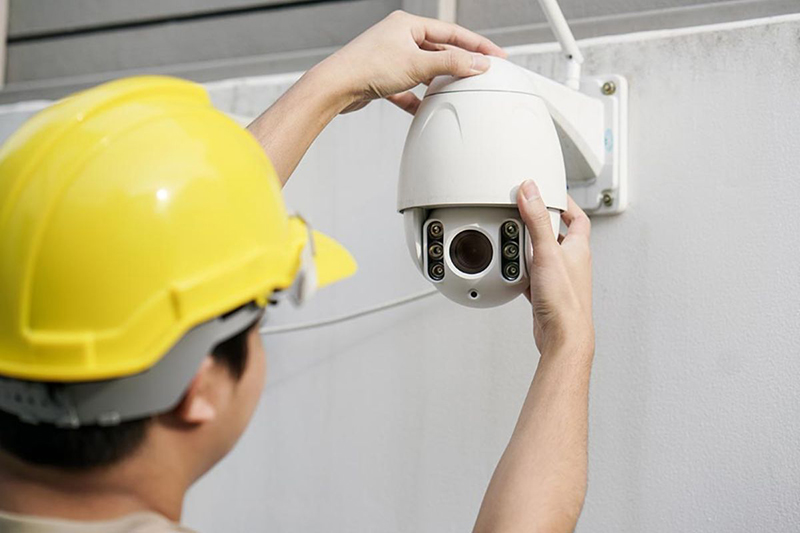
Why You Need More Than Just a Basic Home Camera
Let’s be honest, you can find a cheap security camera almost anywhere these days. But we’re not just talking about recording a blurry video of something that already happened. We’re talking about proactive security. A premium camera is the difference between seeing a fuzzy shape in the dark and getting a crystal-clear, color image of a person’s face.
I remember a client who upgraded from a basic model to a premium one with advanced AI. The old camera would send him a notification every time a car’s headlights swept across his driveway. The new one? It only alerts him when a person walks up to his door, and can even tell him if it’s a familiar face or a stranger. That’s not just an upgrade; it’s a game-changer for your sanity.
What Are the Different Types of Home Security Cameras?
Before we dive into the nitty-gritty features, let’s get the lay of the land. Home cameras generally fall into a few key categories, each designed for a specific job.
Indoor Cameras
These are your go-to for monitoring activity inside the house. They are perfect for keeping an eye on pets, checking in on the kids after school, or monitoring main entry points like a foyer or back hallway. They are typically smaller and more discreet than their outdoor counterparts.
Outdoor Cameras
Built to withstand the elements—rain, snow, heat, and cold—outdoor cameras are your first line of defense. They are designed to monitor driveways, backyards, and entry points from the outside. Look for models with good weather-resistance ratings (like IP65 or higher).
Doorbell Cameras
A fantastic hybrid, these replace your existing doorbell and provide a view of your front porch. They are perfect for screening visitors, communicating with delivery drivers, and catching “porch pirates” in the act.
Wire-Free vs. Wired
- Wired: These cameras connect directly to your home’s power, meaning you never have to worry about a dead battery. They often offer a more stable connection but can be more complex to install.
- Wire-Free: Running on rechargeable batteries, these cameras offer incredible flexibility in placement. You can mount them almost anywhere without drilling holes for power cords. The trade-off is that you’ll need to recharge them periodically.
What to Look For: A Premium Home Camera Review of Features
This is where premium models truly shine. It’s the combination of high-end hardware and intelligent software that provides real security. Here’s what you should be looking for.
- Crystal-Clear Resolution (2K or 4K): While 1080p is standard, 2K (or 4K) resolution is a must for a premium experience. It allows you to digitally zoom in on details like license plates or faces without the image turning into a pixelated mess. Think of it as the difference between knowing a car was there and knowing which car it was.
- Advanced Night Vision: Basic cameras use infrared (IR) LEDs for black-and-white night vision. Premium models often feature color night vision, which uses highly sensitive sensors and sometimes a small spotlight to capture footage in full color, even in low light. This provides significantly more detail.
- Smart AI Detection: This is arguably the most important feature. Instead of getting an alert for every swaying tree branch, smart AI can differentiate between:
- People
- Animals
- Vehicles
- Packages
You get fewer false alarms and more meaningful notifications.
- Wide Field of View (FOV): A wider FOV (measured in degrees) means the camera can see more of the room or yard with a single device. Look for cameras with at least a 130-degree FOV; premium models can go up to 180 degrees.
- Two-Way Audio with Noise Cancellation: The ability to not only hear what’s happening but also speak through the camera is essential. Premium models add noise and echo cancellation, so your conversation with the delivery person is clear and understandable, not a garbled mess.
- Flexible Storage Options (Cloud & Local):
- Cloud Storage: Your video is safely stored on a remote server, so even if a thief steals the camera, the evidence is secure. This usually requires a monthly subscription.
- Local Storage: Video is saved to a microSD card in the camera or a base station. There’s no monthly fee, but if the device is stolen, the footage is gone with it. The best systems offer both.
|
Our Picks for the Best Home Camera in 2026
As an Amazon Associate, we earn from qualifying purchases.
|
||
| Num | Product | Action |
|---|---|---|
| 1 | Kasa Smart Indoor Pan-Tilt Home Security Camera, 1080p HD Dog Camera w/Night Vision, Motion Detection for Baby & Pet Monitor, Cloud & SD Card Storage, Works w/ Alexa & Google Home, 2.4G WiFi (EC71) |

|
| 2 | WYZE Cam v4 (Latest Model), 2.5K AI Security Camera, Indoor/Outdoor Cameras for Home Security, Baby Monitor & Pet Camera, Vibrant Color Night Vision, No Subscription Required, Free Expert Help |
|
| 3 | Ring Battery Doorbell | Home or business security with Head-to-Toe Video, Live View with Two-Way Talk, and Motion Detection & Alerts (newest model), Venetian Bronze |
|
| 4 | TP-Link Tapo 2K Pan/Tilt Security Camera for Baby Monitor, Dog Camera w/Motion Detection, 2-Way Audio, Siren, Night Vision, Cloud & SD Card Storage, Works with Alexa & Google Home, 2-Pack (C210P2) |
|
| 5 | Ring Outdoor Cam (Stick Up Cam) | Weather-Resistant Outdoor Camera, Live View, Color Night Vision, Two-Way Talk, Motion alerts, Works with Alexa | White |
|
| 6 | 2K Cameras for Home Security-Outdoor/Indoor Camera for Dog/Cat/Pet/Nanny/Baby, Color Night Vision, White Light, Siren, 24/7 SD Recordings, Works with Alexa/Google Home, C1 (C1-White-2pack-2.4G) |
|
| 7 | WYZE Cam Pan v3, Indoor/Outdoor IP65-Rated 1080p Pan/Tilt/Zoom Wi-Fi Smart Home Security Camera with Color Night Vision, 2-Way Audio, Compatible with Alexa & Google Assistant, Free Expert Setup |
|
| 8 | Tapo TP-Link 1080P Indoor Security Camera for Baby Monitor, Dog Camera w/Motion Detection, 2-Way Audio Siren, Night Vision, Cloud & SD Card Storage, Works w/Alexa & Google Home C100 |
|
| 9 | Blink Mini 2 — Home Security & Pet Camera(s) with HD video, color night view, motion detection, two-way audio, and built-in spotlight — 1 camera (Black) |
|
| 10 | TP-Link Tapo Pan/Tilt Security Camera for Baby Monitor, Pet Camera w/Motion Detection, 1080P, 2-Way Audio, Night Vision, Cloud & SD Card Storage, Works with Alexa & Google Home (Tapo C200) |
|
How Do I Install My Home Camera for Maximum Coverage?
Getting the placement right is just as important as buying the right camera. A great device in a poor location is a wasted investment. Here’s a simple guide:
- Identify Key Areas: Walk around your property. Where are the most vulnerable spots? This usually includes the front door, back door, ground-floor windows, and driveway.
- Aim for Height: Mount outdoor cameras about 8-10 feet off the ground. This places them high enough to get a good overview and makes them harder for a potential intruder to tamper with.
- Watch for Glare: Never point a camera directly at a light source, like the sun or a bright porch light. This can “blind” the lens and ruin the image. For indoor cameras, be mindful of windows, as the reflection can interfere with the picture, especially at night.
- Cover the Corners: Placing indoor cameras in the corner of a room, high up, typically provides the best possible vantage point to see all entry points (doors and windows).
- Test Your Wi-Fi: Before you permanently mount anything, use your smartphone to check the Wi-Fi signal strength in that exact spot. A weak signal will lead to laggy, unreliable video.
A Critical Look at Your Privacy: Securing Your Security Camera
A device designed to protect you shouldn’t become a vulnerability. As an expert in this field, I can’t stress this enough: your security is only as strong as your weakest link. Here’s how to lock down your camera.
- Use a Strong, Unique Password: Do not reuse the password from your email or social media. Create a long, complex password just for your camera account.
- Enable Two-Factor Authentication (2FA): This is non-negotiable. 2FA means that even if someone steals your password, they can’t log in without a second code, which is usually sent to your phone.
- Keep Firmware Updated: Manufacturers regularly release updates to patch security holes. Enable automatic updates if the option is available.
“The most sophisticated security camera in the world can be defeated by a password like ‘123456’. Users must take an active role in their own digital security. Enabling two-factor authentication is the single most effective thing you can do to protect your smart home devices from unauthorized access.”
– Dr. Evelyn Reed, Cybersecurity Analyst
Making Your Camera Part of the Family: Smart Home Integration
A premium camera doesn’t live on an island. It should work seamlessly with the smart home ecosystem you already use. Look for compatibility with platforms like Amazon Alexa, Google Assistant, and Apple HomeKit.
This allows for incredible convenience. Imagine saying, “Hey Google, show me the backyard camera” and instantly seeing a live feed on your smart display in the kitchen. Or, you could create an automation where your smart lights turn on automatically when your outdoor camera detects a person at night. This is how you build a truly smart, and secure, home.
Frequently Asked Questions
Q: Can home security cameras be hacked?
A: Yes, any internet-connected device can potentially be hacked. However, by choosing a reputable brand that prioritizes security and by following best practices like using strong passwords and enabling 2FA, you can dramatically reduce your risk.
Q: Do I really need a monthly subscription for my camera?
A: Not always. Many cameras offer local storage via a microSD card as a free alternative. However, a cloud subscription provides the off-site backup of your footage and often unlocks more advanced AI features, which many users find worth the cost.
Q: How much internet data does a security camera use?
A: This varies greatly depending on the resolution and how much video is being recorded and streamed. A 4K camera streaming constantly will use a lot of data. Most cameras, however, only record when motion is detected, which significantly reduces data consumption. Check your internet plan if you plan on installing multiple high-resolution cameras.
Q: What is the main difference between a cheap camera and a premium one?
A: The main differences are in video quality (1080p vs. 2K/4K), the intelligence of the software (basic motion detection vs. AI person/package/vehicle detection), build quality (especially for outdoor models), and the company’s commitment to security and privacy.
Q: Where is the best place to put an outdoor camera?
A: The best placement is overlooking main entry and exit points, such as your front door, back door, and driveway. Mount it high enough to be out of easy reach but low enough to capture clear details of faces.
The Final Verdict
Choosing a home security camera is a big decision, and it’s about more than just technology—it’s about a feeling of safety for you and your family. After this premium home camera review, I hope you see that investing in a quality device pays dividends in reliability, smarter alerts, and, most importantly, peace of mind. The right camera doesn’t just watch over your home; it lets you get back to living your life, confident that everything is secure.