Hey there, let’s talk security. As a Senior Security Solutions Expert, I’ve seen it all, from elaborate systems to simple, effective setups. And one of the most common questions I get is about where to start. For many, the journey to a safer home begins with a simple search: “Buy Home Camera Walmart.” It’s an accessible first step, but the sheer number of options on those shelves can feel overwhelming. Don’t worry. I’m here to walk you through it, cut through the jargon, and help you find the perfect camera to give you that priceless peace of mind.
Why Do You Really Need a Home Camera?
Before we dive into the tech specs, let’s get real about why you’re here. A home camera isn’t just a gadget; it’s a tool for connection and protection. Think about it.
- The Porch Pirate Problem: We’ve all seen the videos. A camera is your best deterrent and your only evidence when that much-awaited package vanishes.
- Your Furry Friends: Ever wonder what your dog really does all day? An indoor camera lets you check in, say hello through two-way audio, and make sure they’re not redecorating the living room.
- The Kids Are Alright: Get a notification when the kids get home from school. It’s a simple way to know they’re safe and sound without having to text them every five minutes.
- Deterring the Unthinkable: Often, the mere presence of a visible outdoor security camera is enough to make a potential intruder think twice and move along. It’s a silent guardian, 24/7.
A home camera bridges the gap between being away and being aware. It’s about turning anxiety into assurance.
Navigating the Aisles: Types of Home Cameras
When you’re ready to buy a home camera at Walmart, you’ll generally find a few key types. Understanding the difference is the first step to making a smart choice.
Indoor Cameras
These are your eyes inside the home. They’re typically smaller, less obtrusive, and designed to monitor specific areas like a living room, a nursery, or a main hallway. They often come with features like two-way audio and pan-and-tilt capabilities, allowing you to look around the room remotely from your phone.
Outdoor Cameras
Built to withstand the elements, outdoor cameras are your first line of defense. They need to be weather-resistant (look for an IP rating like IP65 or higher) and are usually more robust. Features like powerful night vision and a wide field of view are critical here to cover driveways, backyards, and entry points.
Wire-Free vs. Wired Cameras
This is a huge decision point.
- Wire-Free: These cameras run on rechargeable batteries and connect to your home network via Wi-Fi.
- Pros: Super easy to install almost anywhere without drilling for power cables.
- Cons: You’ll need to recharge the batteries periodically (every few months, depending on usage).
- Wired: These cameras plug into a standard power outlet.
- Pros: Continuous power means you never have to worry about a dead battery.
- Cons: Installation is more limited by the location of your outlets, and you might have to deal with visible cords.
Must-Have Features to Look For
Okay, you know the type of camera you need. Now, let’s talk about the features that actually matter. Don’t get bogged down by marketing fluff. Focus on these core functions.
- Video Resolution: Look for 1080p (Full HD) as a minimum. It provides a clear enough picture to see faces and details. 2K or 4K is even better but will use more internet bandwidth and storage.
- Night Vision: This is non-negotiable. Most cameras use infrared (IR) LEDs for black-and-white night vision. Some higher-end models offer color night vision, which uses ambient light or a small spotlight to produce a colored image.
- Field of View (FOV): This is how wide an angle the camera can see, measured in degrees. For covering a large area like a backyard, look for a FOV of 130 degrees or more.
- Two-Way Audio: A built-in microphone and speaker let you hear what’s happening and talk back through your phone. It’s perfect for instructing a delivery driver or startling an intruder (or your cat).
- Motion Detection & Smart Alerts: A camera should do more than just record; it should alert you to important events. Basic motion detection is standard, but look for cameras with AI detection that can tell the difference between a person, a vehicle, and a swaying tree branch. This dramatically reduces false alarms.
- Storage Options: Where do your video clips go?
- Local Storage: A microSD card slot on the camera lets you store recordings directly on the device. It’s a one-time cost with no monthly fees.
- Cloud Storage: Your videos are uploaded to the manufacturer’s secure servers. This is safer from theft (a thief can’t steal the cloud!) but usually requires a monthly subscription fee. Many brands offer a free basic plan or trial.
How to Install Your New Camera: A Simple Step-by-Step Guide
You’ve made your choice and are back from the store. Great! Now for the setup, which is easier than you think.
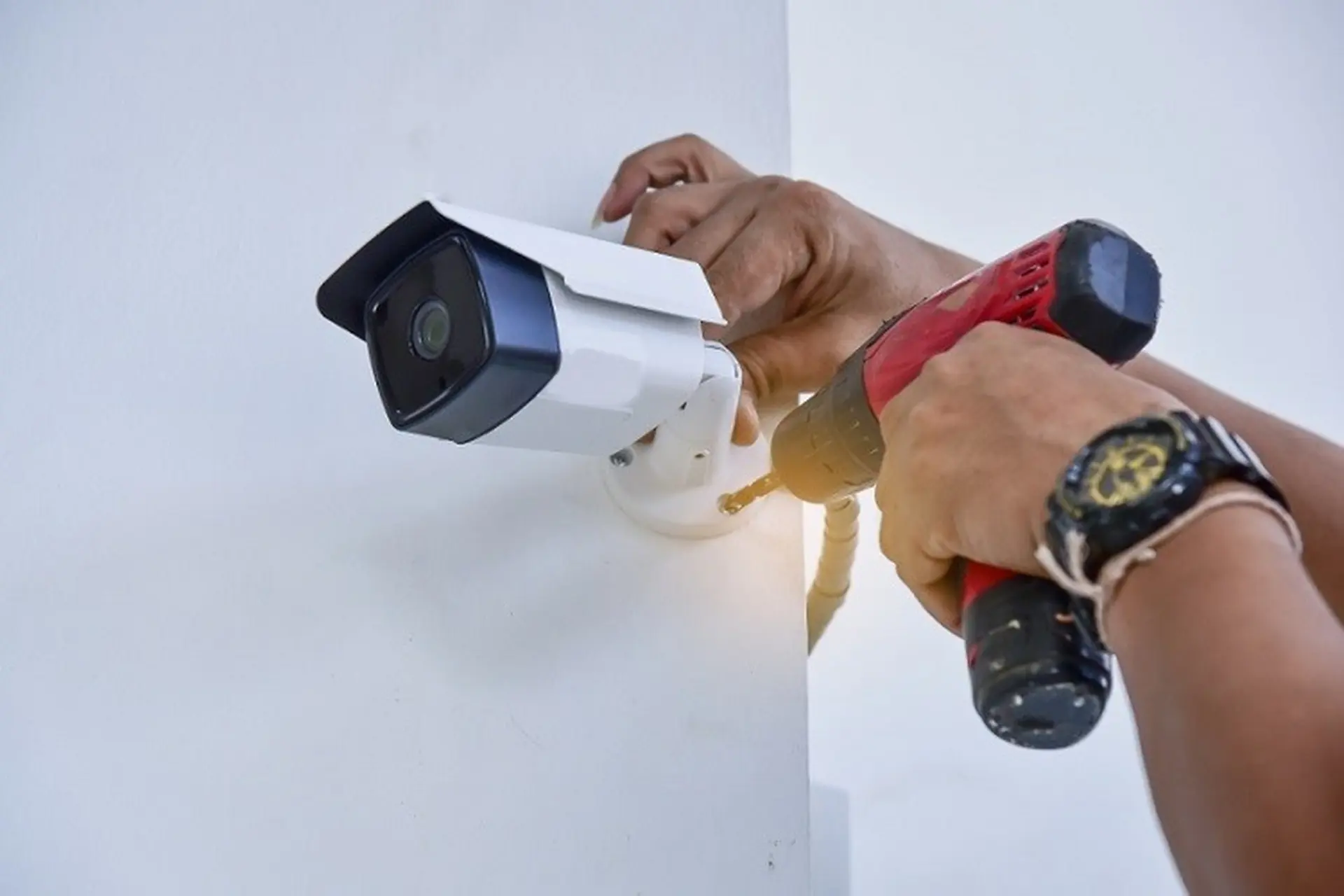
- Pick the Perfect Spot: For outdoor cameras, place them high enough to be out of easy reach (8-10 feet) and angle them down to cover entry points. For indoor cameras, a corner of the room on a high shelf provides a great vantage point.
- Power It Up: If it’s a wired camera, plug it in. If it’s wire-free, make sure the battery is fully charged before you mount it.
- Download the App: Every smart camera has a companion app for your smartphone. Find it on the Apple App Store or Google Play Store and download it.
- Connect to Wi-Fi: Follow the in-app instructions. This usually involves creating an account and scanning a QR code with the camera to connect it to your home’s Wi-Fi network. Make sure you know your Wi-Fi password!
- Mount and Adjust: Securely mount the camera using the included hardware. Use the live view in the app to adjust the angle until you have the perfect view.
The Privacy Talk: Securing Your Security Camera
A tool meant for security shouldn’t create a new vulnerability. Protecting your camera from unauthorized access is just as important as protecting your home. I’ve seen clients overlook this, and it’s a critical mistake.
“Your smart camera is only as secure as the network it’s connected to and the password you use to protect it. Always use a strong, unique password for your camera’s account and enable two-factor authentication. It’s the digital equivalent of a deadbolt on your front door.”
— Dr. Evelyn Reed, Cybersecurity Analyst
Here’s a quick checklist:
- Use a Strong Password: No “Password123” or your dog’s name. Use a long, random mix of letters, numbers, and symbols.
- Enable Two-Factor Authentication (2FA): This sends a code to your phone before allowing a new device to log into your account. It’s one of the most effective security measures you can take.
- Keep Firmware Updated: The manufacturer will release updates to patch security holes. Always install them through the app when prompted.
- Secure Your Wi-Fi: Your home Wi-Fi network should also have a strong password.
Making It Smart: Integrating with Your Smart Home
Many modern home cameras can integrate with smart home ecosystems like Amazon Alexa and Google Assistant. This allows you to do things like say, “Alexa, show me the front door camera” to see a live feed on your Echo Show or Fire TV. It’s a convenient feature that ties your entire smart home together. When you buy a home camera at Walmart, check the box for compatibility with the system you already use.
Frequently Asked Questions
Q: Do I need to pay a monthly subscription for my camera?
A: Not always. Many cameras offer free features like live streaming and motion alerts. A subscription is usually required for advanced features like cloud video storage, longer recording history, and sophisticated AI detection (like package or person detection).
Q: Can I view the camera footage from anywhere?
A: Yes! As long as both your camera and your smartphone have an internet connection, you can access the live feed and recordings from anywhere in the world through the companion app.
Q: Are the cheaper cameras at Walmart any good?
A: Absolutely. Brands like Wyze, Blink, and Merkury Innovations (a Walmart brand) offer incredible value. While they might lack some of the premium features of more expensive brands, they are more than capable of providing excellent 1080p video, motion alerts, and reliable security for the average home.
Q: How far can a security camera see at night?
A: This varies by model, but most home security cameras have an effective night vision range of 25 to 50 feet. Some specialized outdoor models can see up to 100 feet. Check the product specifications for the exact range.
Q: Does constant recording drain my internet bandwidth?
A: Most smart cameras don’t record constantly. They are motion-activated, meaning they only record and upload video clips when they detect movement. This significantly reduces the impact on your internet bandwidth compared to a system that records 24/7.
Your First Step to a More Secure Home
Choosing the right security camera doesn’t have to be a complicated technical challenge. It’s about understanding your own needs and matching them with the right features. By focusing on video quality, reliable alerts, and secure storage, you can find a fantastic device that fits your budget. The peace of mind that comes from knowing your home is protected is an investment that always pays off. Now you have the expert knowledge you need to confidently buy a home camera at Walmart and take that first important step towards a safer, smarter home.