As a Senior Solutions Expert at Family Security 247, I’ve witnessed the evolution of home security from basic cameras to today’s advanced systems. By 2025, home security cameras will fundamentally shift from simple motion detection to intelligent event understanding, driven by AI, edge computing, and advanced imaging, offering proactive protection and drastically fewer false alarms. This revolution means cameras will differentiate between package deliveries and intruders, process data on-device for speed and privacy, and provide crystal-clear 4K HDR video with color night vision.
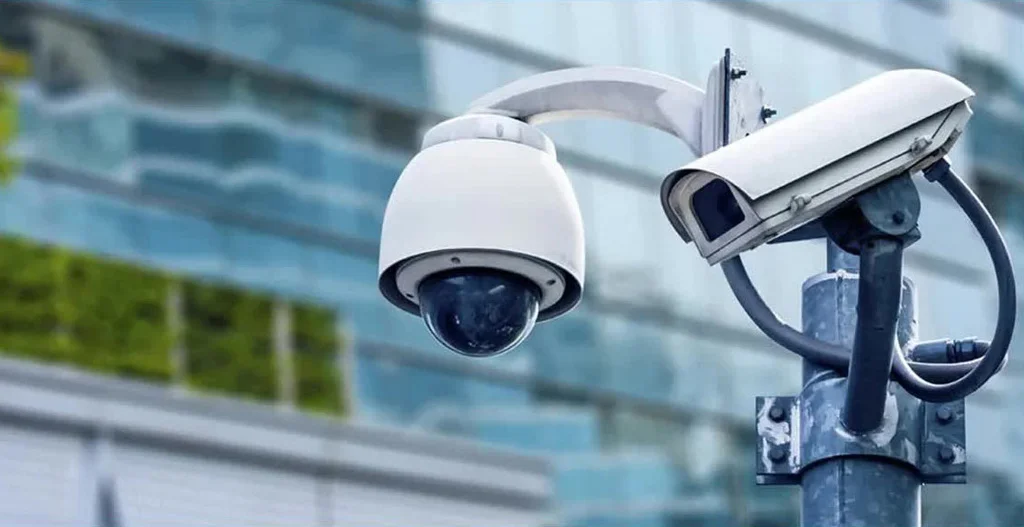
Why You Need to Pay Attention to Next-Gen Home Security
Traditional cameras often cause “alert fatigue” with constant notifications for irrelevant events like passing cars or pets. The next generation of security technology solves this by moving from simple motion detection to intelligent event understanding. This upgrade transforms your camera from a passive observer into a proactive, intelligent guardian for your home. For expert home security reviews on this site.
The Key Trends Shaping the Future of Home Cameras 2025
This leap forward is a convergence of several powerful technologies. Let’s break down the core advancements that will define the future of home cameras 2025.
The AI Revolution: Cameras That Actually Think
Artificial Intelligence (AI) is the engine driving this evolution. By 2025, “smart” will mean the camera can differentiate between a package delivery, a lingering stranger, a wandering pet, and a falling leaf.
- Person and Vehicle Detection: This is already becoming standard, with accuracy improving significantly to eliminate alerts for swaying trees.
- Facial Recognition: Cameras will recognize family members, automatically disarming certain alerts upon their arrival, or instantly notifying you if an unrecognized face is detected.
- Behavioral Analysis: Future cameras will learn normal home patterns, such as children’s school arrival times or mail delivery schedules. Anomalies, like someone lurking at 3 AM, will be flagged as high-priority events.
Say Goodbye to the Cloud? The Rise of Edge Computing
Edge computing means the camera performs AI processing directly on the device, rather than sending footage to a cloud server for analysis. This offers two massive benefits:
- Speed: Analysis happens instantly on the device, leading to faster alerts, which is crucial in security situations.
- Privacy: Video can be processed and stored locally, giving users complete control over their data and reducing reliance on company servers.
Crystal Clear Vision: 4K, HDR, and Next-Level Night Vision
High resolution is critical for detail. While 1080p has been standard, 4K is becoming far more accessible.
A higher resolution isn’t just about a prettier picture. It’s about actionable intelligence. Being able to digitally zoom in on a license plate number or clearly identify a person’s face from a distance can be the critical piece of evidence needed in an investigation.
Beyond just pixels, look for advancements in:
- High Dynamic Range (HDR): This technology balances light and dark areas, preventing washed-out images when the sun is behind a person.
- Advanced Color Night Vision: New sensors and built-in spotlights enable cameras to see in vivid color, even in very low light, providing more detail than traditional infrared night vision.
How Will These Future Cameras Actually Improve Your Life?
These technological advancements translate to real-world peace of mind. For example, improved night vision can differentiate between a neighbor’s teenager retrieving a frisbee and a genuine threat, preventing unnecessary stress and police calls.
Here are some tangible benefits you can expect:
- Drastically Fewer False Alarms: Your phone will only buzz for events that truly matter.
- More Contextual Alerts: Notifications will specify “Package Delivered” or “Unfamiliar Person at Backdoor” instead of generic “Motion Detected.”
- Proactive Security: Systems could automatically activate floodlights and audible warnings if someone loiters near your property after dark.
- Seamless Smart Home Integration: A front door camera detecting your arrival could trigger smart locks to unlock, hallway lights to turn on, and your thermostat to adjust.
What About Privacy in This Hyper-Connected Future?
As cameras become smarter, securing them becomes even more vital. The future of home cameras 2025 will emphasize user-controlled security features.
Here is some advice that will be more critical than ever:
- Use a Strong, Unique Password: Never reuse passwords across different accounts.
- Enable Two-Factor Authentication (2FA): This adds a crucial layer of security, requiring a code from your phone to log in.
- Understand Your Storage Options: Decide between cloud storage and local, on-device storage (enabled by edge computing) based on your privacy preferences.
- Be Wary of Unrecognized Brands: Stick with reputable companies known for providing consistent security updates.
“The biggest vulnerability in any smart home device is often the human element. Strong, unique passwords and enabling 2FA are no longer optional—they are the fundamental first line of defense in protecting your family’s privacy.”
– Dr. Evelyn Reed, Cybersecurity Analyst
Frequently Asked Questions About the Future of Home Cameras
Q: Will I need to replace my current cameras to get these new features?
|
Our Picks for the Best Home Camera in 2026
As an Amazon Associate, we earn from qualifying purchases.
|
||
| Num | Product | Action |
|---|---|---|
| 1 | Blink Mini 2 — Home Security & Pet Camera(s) with HD video, color night view, motion detection, two-way audio, and built-in spotlight — 1 camera (Black) |

|
| 2 | Ring Battery Doorbell | Home or business security with Head-to-Toe Video, Live View with Two-Way Talk, and Motion Detection & Alerts (newest model), Venetian Bronze |
|
| 3 | TP-Link Tapo 2K Pan/Tilt Security Camera for Baby Monitor, Dog Camera w/Motion Detection, 2-Way Audio, Siren, Night Vision, Cloud & SD Card Storage, Works with Alexa & Google Home, 2-Pack (C210P2) |
|
| 4 | Kasa Smart Indoor Pan-Tilt Home Security Camera, 1080p HD Dog Camera w/Night Vision, Motion Detection for Baby & Pet Monitor, Cloud & SD Card Storage, Works w/ Alexa & Google Home, 2.4G WiFi (EC71) |
|
| 5 | Tapo TP-Link 1080P Indoor Security Camera for Baby Monitor, Dog Camera w/Motion Detection, 2-Way Audio Siren, Night Vision, Cloud & SD Card Storage, Works w/Alexa & Google Home C100 |
|
| 6 | Ring Outdoor Cam (Stick Up Cam) | Weather-Resistant Outdoor Camera, Live View, Color Night Vision, Two-Way Talk, Motion alerts, Works with Alexa | White |
|
| 7 | TP-Link Tapo Pan/Tilt Security Camera for Baby Monitor, Pet Camera w/Motion Detection, 1080P, 2-Way Audio, Night Vision, Cloud & SD Card Storage, Works with Alexa & Google Home (Tapo C200) |
|
| 8 | 2K Cameras for Home Security-Outdoor/Indoor Camera for Dog/Cat/Pet/Nanny/Baby, Color Night Vision, White Light, Siren, 24/7 SD Recordings, Works with Alexa/Google Home, C1 (C1-White-2pack-2.4G) |
|
| 9 | WYZE Cam Pan v3, Indoor/Outdoor IP65-Rated 1080p Pan/Tilt/Zoom Wi-Fi Smart Home Security Camera with Color Night Vision, 2-Way Audio, Compatible with Alexa & Google Assistant, Free Expert Setup |
|
| 10 | WYZE Cam v4 (Latest Model), 2.5K AI Security Camera, Indoor/Outdoor Cameras for Home Security, Baby Monitor & Pet Camera, Vibrant Color Night Vision, No Subscription Required, Free Expert Help |
|
A: Not necessarily all at once. Many AI features are being delivered via software updates to existing hardware. However, for advancements like 4K resolution and on-device edge computing, you will likely need to invest in new camera hardware designed for those capabilities.
Q: Are 4K home cameras worth the extra internet bandwidth?
A: It’s a valid concern. 4K video streams use more data. However, modern video compression technologies (like H.265) are becoming very efficient. Many systems also only record when an event is detected, which significantly minimizes the overall bandwidth and storage impact.
Q: How does AI actually reduce false alarms?
A: AI models are trained on millions of images to recognize the specific shapes and motion patterns of people, animals, and vehicles. It learns to ignore irrelevant motion, like tree branches blowing in the wind or shifting shadows, because those patterns don’t match what it knows to be a person or a car.
Q: Is local storage really safer than the cloud?
A: Each has pros and cons. Local storage (on an SD card or home base station) gives you physical control over your data and isn’t vulnerable to a company-wide data breach. However, if a burglar steals the camera or base station, your footage is gone. Cloud storage protects your footage off-site but requires trusting the provider’s security measures.
Q: What is the single most important feature to look for in 2025?
A: I would argue it’s intelligent, on-device AI processing. This feature is the foundation for almost every other major advancement, from reducing false alarms to enhancing your privacy. It’s the key that unlocks a truly smart and reliable security experience.
The Future is Secure and Smart
As we look toward 2025, it’s clear that our home security cameras are evolving from simple recording devices into intelligent partners in protecting our homes. The convergence of powerful AI, on-device processing, and crystal-clear imaging will bring a new level of security and convenience we’ve only dreamed of. By understanding these trends, you can make informed decisions and ensure your home is ready for what’s next. The future of home cameras 2025 is bright, and it’s focused on one thing: giving you true peace of mind.
Frequently Asked Questions
Will I need to replace my current cameras to get these new features?
Not necessarily all at once. Many AI features are being delivered via software updates to existing hardware. However, for advancements like 4K resolution and on-device edge computing, you will likely need to invest in new camera hardware designed for those capabilities.
Are 4K home cameras worth the extra internet bandwidth?
It's a valid concern. 4K video streams use more data. However, modern video compression technologies (like H.265) are becoming very efficient, and many systems only record when an event is detected, minimizing bandwidth and storage impact.
How does AI actually reduce false alarms?
AI models are trained on millions of images to recognize specific shapes and motion patterns of people, animals, and vehicles. This allows them to ignore irrelevant motion, such as tree branches blowing in the wind or shifting shadows, because those patterns don't match known threats.
Is local storage really safer than the cloud?
Each has pros and cons. Local storage (on an SD card or home base station) gives you physical control over your data and isn't vulnerable to a company-wide data breach. However, if a burglar steals the camera or base station, your footage is gone. Cloud storage protects your footage off-site but requires trusting the provider's security measures.
What is the single most important feature to look for in 2025?
Intelligent, on-device AI processing is arguably the most important feature. This foundation enables almost every other major advancement, from reducing false alarms to enhancing privacy, unlocking a truly smart and reliable security experience.
Smart home that does not lock you in
Free PDF — protocol compatibility matrix for 30 hubs and devices.
I was excited about the promise of edge computing for speed and privacy, but my experience has been a bit mixed. While the processing is definitely fast, I’ve noticed that sometimes the on-device data processing can be a bit finicky with my Wi-Fi, leading to occasional glitches in the recording. It’s not a dealbreaker, but it’s something to be aware of if your home network isn’t super robust. Still, the concept is solid.
I’m all about proactive protection, and the new cameras I got really deliver on that. The ability to understand events rather than just detect motion has given me so much peace of mind. It’s amazing how much technology has advanced, and knowing that my system can tell the difference between my cat and a person approaching the door is exactly what I needed. No more unnecessary stress!
The 4K HDR video with color night vision mentioned here is no joke. I recently replaced my old 1080p camera with a newer model, and the difference in clarity, especially at night, is incredible. It makes identifying things so much easier. My only minor gripe is that the initial setup for the advanced features took a bit longer than I expected, but once it’s running, it’s fantastic.
I’ve been dealing with ‘alert fatigue’ for years with my old system, so the idea of intelligent event understanding really caught my eye. I just installed a new camera that uses AI to differentiate between a package delivery and an actual intruder, and it’s been a game changer. My phone isn’t constantly buzzing anymore, and I feel much more secure knowing it’s only alerting me to what truly matters. Highly recommend upgrading if you’re tired of false alarms.