Being a new parent is an incredible journey, but let’s be honest—it comes with a healthy dose of worry. When you decide to buy a home camera for baby monitoring, you are investing in peace of mind by allowing you to check on your little one without disturbing their sleep, providing invaluable assistance for sleep training, and offering the flexibility to monitor them from anywhere in your home or even remotely. With numerous options available, choosing the right camera involves understanding key features and security protocols.
Why Do You Really Need a Camera for Your Baby?
First things first, let’s move past the idea that a baby camera is just for “spying.” It’s a powerful tool for modern parenting. A dedicated camera allows you to check in on your baby without creaking open the nursery door and disturbing their precious sleep. It’s invaluable for sleep training, letting you see if they are genuinely in distress or just settling themselves back down. It also gives you freedom. You can be in the kitchen, the living room, or even the garden, and still have a clear view and earshot of your baby, ensuring they are safe and sound. My own home camera once alerted me to my toddler trying to climb out of his crib—a moment I was grateful to catch instantly. For shop curated home security on this site.
What Types of Home Cameras Are Best for a Nursery?
When you start to look, you’ll see a few different kinds of cameras. Understanding them is the first step to making a smart choice.
Dedicated Baby Monitors vs. Standard Security Cameras
- Dedicated Baby Monitors: These often come as a set with a camera and a separate parent unit (a handheld screen). They typically operate on a closed-circuit frequency (FHSS), which is considered very secure as it doesn’t connect to your home Wi-Fi. The downside? The range can be limited, and you can only view the feed on the dedicated parent unit.
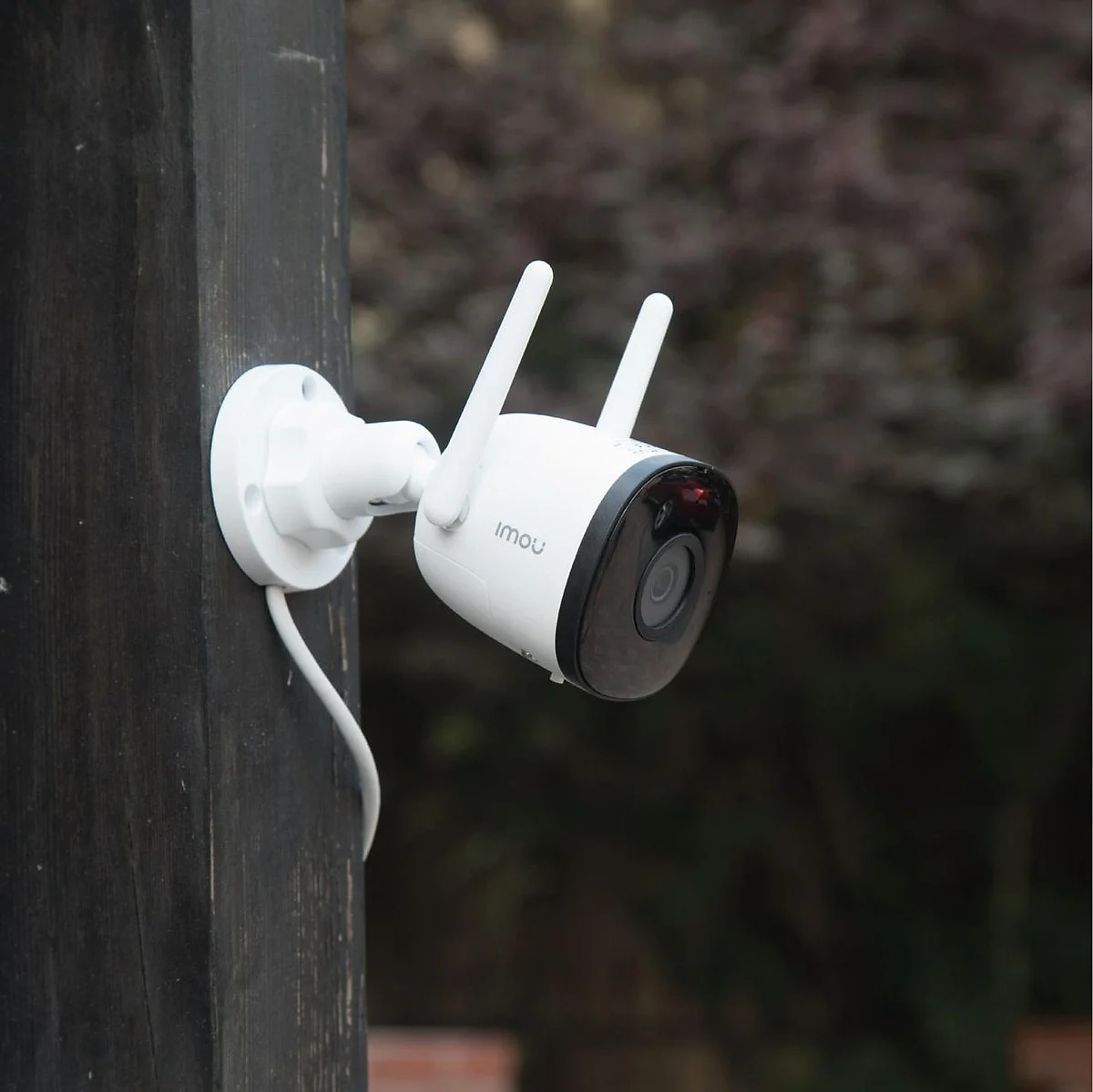
- Wi-Fi Security Cameras: These are increasingly popular for baby monitoring. They connect to your home’s Wi-Fi network and stream video directly to your smartphone, tablet, or computer via an app. This gives you the flexibility to check in from anywhere, even if you’re out for the evening and a babysitter is home. This is the category we’ll focus on, as it offers the most features and flexibility when you buy a home camera for baby monitoring.
Key Features to Look for When You Buy a Home Camera for Baby Monitoring
Not all cameras are created equal. For monitoring a baby, certain features are non-negotiable, while others are nice-to-haves. Here’s your essential checklist.
Must-Have Features
|
Our Picks for the Best Home Camera in 2026
As an Amazon Associate, we earn from qualifying purchases.
|
||
| Num | Product | Action |
|---|---|---|
| 1 | 2K Cameras for Home Security-Outdoor/Indoor Camera for Dog/Cat/Pet/Nanny/Baby, Color Night Vision, White Light, Siren, 24/7 SD Recordings, Works with Alexa/Google Home, C1 (C1-White-2pack-2.4G) |

|
| 2 | TP-Link Tapo 2K Pan/Tilt Security Camera for Baby Monitor, Dog Camera w/Motion Detection, 2-Way Audio, Siren, Night Vision, Cloud & SD Card Storage, Works with Alexa & Google Home, 2-Pack (C210P2) |
|
| 3 | Kasa Smart Indoor Pan-Tilt Home Security Camera, 1080p HD Dog Camera w/Night Vision, Motion Detection for Baby & Pet Monitor, Cloud & SD Card Storage, Works w/ Alexa & Google Home, 2.4G WiFi (EC71) |
|
| 4 | WYZE Cam Pan v3, Indoor/Outdoor IP65-Rated 1080p Pan/Tilt/Zoom Wi-Fi Smart Home Security Camera with Color Night Vision, 2-Way Audio, Compatible with Alexa & Google Assistant, Free Expert Setup |
|
| 5 | Blink Mini 2 — Home Security & Pet Camera(s) with HD video, color night view, motion detection, two-way audio, and built-in spotlight — 1 camera (Black) |
|
| 6 | Tapo TP-Link 1080P Indoor Security Camera for Baby Monitor, Dog Camera w/Motion Detection, 2-Way Audio Siren, Night Vision, Cloud & SD Card Storage, Works w/Alexa & Google Home C100 |
|
| 7 | Ring Battery Doorbell | Home or business security with Head-to-Toe Video, Live View with Two-Way Talk, and Motion Detection & Alerts (newest model), Venetian Bronze |
|
| 8 | WYZE Cam v4 (Latest Model), 2.5K AI Security Camera, Indoor/Outdoor Cameras for Home Security, Baby Monitor & Pet Camera, Vibrant Color Night Vision, No Subscription Required, Free Expert Help |
|
| 9 | TP-Link Tapo Pan/Tilt Security Camera for Baby Monitor, Pet Camera w/Motion Detection, 1080P, 2-Way Audio, Night Vision, Cloud & SD Card Storage, Works with Alexa & Google Home (Tapo C200) |
|
| 10 | Ring Outdoor Cam (Stick Up Cam) | Weather-Resistant Outdoor Camera, Live View, Color Night Vision, Two-Way Talk, Motion alerts, Works with Alexa | White |
|
- Excellent Night Vision: This is critical. Your baby will spend a lot of time sleeping in the dark. Look for cameras with high-quality infrared (IR) LEDs that provide a clear black-and-white image without emitting any visible light that could disturb your baby.
- Two-Way Audio: This feature turns your camera into a two-way intercom. You can hear every gurgle and coo, and more importantly, you can talk back to soothe your baby with your voice from another room. It’s a game-changer for calming them down without having to go in.
- Crystal Clear HD Video (1080p): You want to see details clearly. Is that a pacifier next to their head? Are their eyes open? A 1080p resolution provides a sharp, detailed image on your phone, so you’re never left guessing.
- Reliable Sound and Motion Alerts: You can’t stare at your phone all day. A good camera will send a notification to your phone when it detects sound (like crying) or motion. Look for models that allow you to adjust the sensitivity so you’re not getting alerts for every little rustle.
- Strong Security and Encryption: This is paramount. You are streaming video of the most precious person in your life. Ensure the camera you choose offers end-to-end encryption (like AES-256 bit) and supports two-factor authentication (2FA) for logging into the app.
Great-to-Have Features
- Pan, Tilt, and Zoom (PTZ): When your baby is a newborn, they don’t move much. But once they start rolling and crawling, a camera that you can remotely pan around the room, tilt up and down, and zoom in with is invaluable.
- Room Temperature and Humidity Sensors: Some advanced cameras include sensors that alert you if the nursery gets too hot, too cold, or too humid, helping you ensure your baby is always comfortable.
- Lullabies and White Noise: A few models have built-in speakers that can play lullabies or white noise, which you can control from the app. This can be a handy feature to help soothe your baby back to sleep.
- Local and Cloud Storage Options: How will you save video clips? Local storage (via a microSD card) means you control the data and there are no monthly fees. Cloud storage is convenient for accessing clips from anywhere but usually requires a subscription. Having both options gives you flexibility.
How Do I Install and Set Up My Baby Camera?
Worried it might be complicated? Don’t be. Most modern Wi-Fi cameras are designed for a super simple, plug-and-play setup.
- Choose the Perfect Spot: The best location is typically high on a wall or a stable shelf opposite the crib. This gives you a clear, bird’s-eye view and keeps the camera and its cords safely out of your baby’s reach. Never place a camera inside or on the edge of the crib.
- Mount it Securely: Use the wall mount that comes with the camera for the most secure placement. Make sure all cords are tacked to the wall or hidden in a cord cover, well away from curious little hands.
- Power It Up and Download the App: Plug the camera in and download the corresponding app on your smartphone or tablet from the App Store or Google Play.
- Connect to Your Wi-Fi: Follow the in-app instructions. This usually involves scanning a QR code with the camera or selecting your home Wi-Fi network and entering the password. The whole process typically takes less than five minutes.
- Customize Your Settings: Once connected, dive into the app’s settings. Adjust motion and sound sensitivity, set up notification schedules, and invite your partner or a caregiver to share access.
Securing Your Digital Nursery: Privacy is a Priority
The thought of someone else accessing your baby camera is terrifying. Fortunately, you can take simple but powerful steps to lock it down.
“The single most important security measure any parent can take is to immediately change the camera’s default username and password to something long, unique, and complex. Combine this with two-factor authentication, and you’ve already eliminated the vast majority of risks.” – Dr. Alistair Finch, Cybersecurity Expert.
Here is a quick security checklist:
- Create a strong, unique password for your camera’s app account.
- Enable two-factor authentication (2FA) if available.
- Ensure your home Wi-Fi network is password-protected with WPA2 or WPA3 encryption.
- Regularly update the camera’s firmware through the app to get the latest security patches.
- Be cautious about sharing access and remove permissions for temporary caregivers when no longer needed.
Frequently Asked Questions (FAQ)
Q: What’s the main difference between a regular security camera and a dedicated baby monitor?
A: A dedicated baby monitor typically uses a non-Wi-Fi, direct connection to a parent unit, offering high security but limited range. A security camera uses Wi-Fi to stream to your phone, offering unlimited range and more smart features, but requires you to secure your network properly.
Q: Can I use my smartphone as the monitor?
A: Yes, that’s the primary benefit of a Wi-Fi-based camera. The manufacturer’s app turns your smartphone or tablet into a feature-rich parent unit that you can access from anywhere with an internet connection.
Q: Do I need to pay a monthly subscription fee?
A: It depends. Many cameras offer basic live streaming and notifications for free. A monthly subscription is usually for advanced features like cloud storage for video history, person detection, or extended recording times. Look for models with a microSD card slot for free local storage.
Q: How much internet bandwidth does a baby camera use?
A: A 1080p camera will use about 1-2 Mbps of upload speed while streaming. Most modern home internet plans can handle this easily. However, if you have many devices connected, ensure your internet plan is robust enough.
Q: Will the camera’s night vision light disturb my baby?
A: No. Modern baby cameras use infrared (IR) light, which is invisible to the human eye. Your baby won’t see a thing, allowing them to sleep peacefully while you get a crystal-clear view of the nursery.
The Final Verdict
Choosing the right device when you buy a home camera for baby monitoring is a deeply personal decision that balances features, budget, and your own comfort level with technology. By focusing on the non-negotiable features—great video quality, clear night vision, two-way audio, and robust security—you can find a reliable tool that will serve your family well. This isn’t just about technology; it’s about giving yourself the reassurance you need to relax and enjoy the beautiful, fleeting moments of parenthood. You’ve got this.
Frequently Asked Questions
What is the main difference between a regular security camera and a dedicated baby monitor?
A dedicated baby monitor typically uses a non-Wi-Fi, direct connection to a parent unit, offering high security but limited range. In contrast, a security camera uses Wi-Fi to stream to your phone, providing unlimited range and more smart features, but requires you to secure your network properly with WPA2 or WPA3 encryption.
Can I use my smartphone as the monitor for a baby camera?
Yes, using your smartphone as a monitor is a primary benefit of Wi-Fi-based cameras. The manufacturer's app transforms your smartphone or tablet into a feature-rich parent unit, allowing you to access the video feed from anywhere with an internet connection.
Do I need to pay a monthly subscription fee for a baby camera?
It depends on the camera model and desired features. Many cameras offer basic live streaming and notifications for free. A monthly subscription is typically required for advanced features such as cloud storage for video history, person detection, or extended recording times, though some models offer free local storage via a microSD card slot.
How much internet bandwidth does a 1080p baby camera use?
A 1080p baby camera will typically use about 1-2 Mbps of upload speed while actively streaming video. Most modern home internet plans can easily handle this bandwidth, but it's advisable to ensure your plan is robust enough if you have many other connected devices.
Will the night vision light from the camera disturb my baby's sleep?
No, modern baby cameras use infrared (IR) light for night vision, which is invisible to the human eye. Your baby will not see any light emitted by the camera, allowing them to sleep peacefully while you maintain a clear view of the nursery.
Install and Set Up Your Baby Camera
Setting up a modern Wi-Fi baby camera is a straightforward process designed for ease of use, typically taking less than five minutes.
Select a location high on a wall or a stable shelf opposite the crib to get a clear, bird's-eye view. Ensure the camera and its cords are safely out of your baby's reach; never place it inside or on the edge of the crib.
Use the wall mount provided with the camera for secure placement. Tack all cords to the wall or hide them in a cord cover, keeping them well away from curious little hands to prevent hazards.
Plug the camera into a power outlet and download the corresponding manufacturer's app on your smartphone or tablet. The app is usually available on the App Store or Google Play.
Follow the in-app instructions to connect the camera to your home Wi-Fi network. This often involves scanning a QR code with the camera or manually selecting your network and entering the password.
Once connected, access the app's settings to adjust motion and sound sensitivity, set up notification schedules, and invite other users like your partner or a caregiver to share access.
Smart home that does not lock you in
Free PDF — protocol compatibility matrix for 30 hubs and devices.
As a first-time mom, the peace of mind from having a reliable baby monitor is priceless. I love being able to check on my little one from my phone while I’m in another room without worrying about disturbing her. The remote monitoring feature has been a game-changer, especially when I’m at work and my husband is home with the baby. It really helps with sleep training too, letting me see if she’s just fussing or actually needs me.
I got a camera mainly for the sleep training aspect, and it’s been pretty good for that. However, I’ve noticed the night vision can be a bit grainy sometimes, making it hard to see details in the darker corners of the crib. It’s not a dealbreaker, but I was hoping for a clearer picture at night. The sound quality is excellent though, which is a plus.
We were on the fence about getting a dedicated baby camera, but I’m so glad we did. Being able to monitor our baby from anywhere in the house has been incredibly convenient. It’s definitely helped reduce some of that new parent worry, knowing we can always peek in without opening the nursery door. The security protocols mentioned were a big factor in our decision, making us feel safer about the feed.
This camera has been a lifesaver for our family. The ability to check on our baby remotely, even when we’re out for a quick errand, is fantastic. It’s not just for ‘spying’ as some people think; it’s a genuine tool that makes parenting a little less stressful. We specifically looked for one with good two-way audio, and this model delivers perfectly.