Hiding home security cameras outdoors can provide discreet surveillance, prevent tampering, and capture unbiased footage that a visible camera might miss. While visible cameras act as deterrents, a well-hidden camera offers an additional layer of security by capturing genuine activity without alerting potential intruders. This strategy ensures your property is monitored effectively while maintaining its aesthetic appeal.
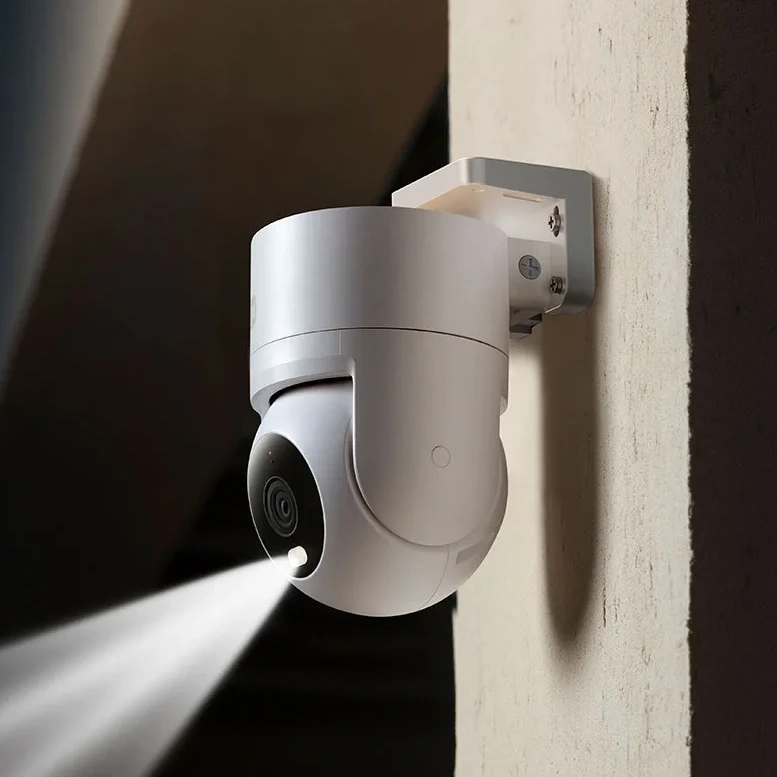
Why Bother Hiding Your Outdoor Camera?
You might think the main purpose of a camera is to deter intruders. While a visible security camera can make a casual burglar reconsider, a seasoned criminal might view it as a challenge to disable or destroy. Hiding your camera offers two key advantages:
- Protecting Your Investment: An exposed camera is vulnerable to damage from rocks, spray paint, or being ripped from its mount. A well-hidden camera remains safe.
- Capturing Unbiased Footage: People often act differently when they know they are being watched. A concealed camera captures genuine activity, which is invaluable for identifying package thieves or persistent trespassers.
- Maintaining Aesthetics: Many homeowners prefer not to have cameras prominently displayed on their home’s exterior. Hiding cameras allows you to maintain your home’s visual appeal without compromising security.
As a security professional, I often advise clients to use a “two-camera” strategy. Have one visible, dummy or real, camera in an obvious spot as a deterrent. Then, have a second, high-quality hidden camera covering the same area from a different angle to capture the real story if the first one is tampered with.
Creative & Effective Ways on How to Hide Home Camera Outdoors
Blending your camera into its surroundings is an art form that is easier than you think with a little creativity.
Camouflage with Nature
Your yard offers numerous natural hiding spots. The key is to blend the camera seamlessly into its environment.
- Inside a Birdhouse: This is a classic and effective method. A small, wireless camera can fit perfectly inside. Drill a clean hole for the lens and ensure birds cannot nest in it and obstruct the view. The birdhouse should look normal, not like a high-tech gadget.
- Within Dense Shrubbery or Bushes: Tucking a camera into a thick bush or evergreen provides excellent natural cover. Periodically trim leaves and branches around the lens to maintain a clear view. This method is particularly effective for monitoring garden paths or side gates.
- Using a Fake Rock: Hollow, artificial rocks designed for hiding keys are perfect for concealing a small, battery-powered camera. These can be strategically placed to watch a driveway or front walk from a low angle.
Use Your Home’s Architectural Features
Your house itself provides some of the best hiding places, often in plain sight.
- Under Eaves and Soffits: The overhang of your roof is an ideal spot. It protects the camera from rain and snow, and the natural shadows help conceal it. Painting the camera the same color as your soffit makes it virtually disappear.
- Inside Porch Lights or Fixtures: If you have a large porch light fixture, you might be able to tuck a tiny camera inside or mount a small one on top, where it blends with the fixture’s details.
- Behind Gutters or Downspouts: A small camera can be mounted discreetly behind a downspout, using the structure to break up its outline.
Disguise in Plain Sight
Sometimes the best hiding spot isn’t hidden at all, but rather disguised.
- Vinyl Siding or Skins: Many popular camera brands offer silicone “skins” in various colors (black, brown, gray) that help the camera blend seamlessly with your siding, trim, or brickwork. You can also carefully paint the camera housing to match its background perfectly, ensuring you mask off the lens and any sensors.
- Among Porch Decorations: Hanging plants, decorative wreaths, or lawn ornaments can be excellent places to conceal a small camera. The visual clutter distracts the eye, making it unlikely anyone will notice a lens among the decorations.
Key Considerations Before You Hide Your Camera
Before installing a hidden camera, it’s crucial to consider several logistical aspects. A poorly placed hidden camera is ineffective.
Maintaining a Clear Field of View
This is non-negotiable. Your camera’s hiding spot must not obstruct its view of the target area. Before finalizing installation, use your camera’s live-view feature on your smartphone to check for any branches, leaves, or architectural elements blocking the shot. Remember that what looks clear today might be blocked by growing leaves in the spring.
Ensuring a Strong Wi-Fi Signal
Most modern cameras rely on Wi-Fi. Hiding a camera inside a dense object or far from your router can weaken the signal. Test the Wi-Fi strength at your desired location before permanent mounting. Walk around with your phone to check the signal; if it’s weak, a Wi-Fi extender may be necessary for reliable recording.
Power Source Accessibility
Consider how the camera will be powered:
- Battery-Powered: These offer the most flexibility for hiding as they don’t require wires. However, you will need to access the camera every few months to recharge or replace batteries. Choose a spot that is easily accessible for maintenance.
- Wired: A wired camera provides continuous power, which is ideal, but concealing the wire is part of the challenge. Wires can be run along siding grooves, under eaves, or through the attic to keep them out of sight.
Legal and Ethical Boundaries
This is extremely important. You have the right to monitor your own property, but this right does not extend to areas where your neighbor has a reasonable expectation of privacy. Never point a hidden camera at a neighbor’s windows, backyard, or private areas. Generally, recording video in public-facing areas of your property, such as your front yard or driveway, is legally acceptable. Always check your local and state regulations on surveillance to ensure compliance.
Step-by-Step Installation for a Hidden Outdoor Camera
Feeling ready? Here’s a simple process to follow.
- Plan Your Placement: Identify the area you want to monitor and consider the most likely path an intruder would take. Scout for potential hiding spots within that area that offer a clear view.
- Test Everything First: Before drilling, temporarily place the camera in your chosen spot. Connect it to your app and verify both a clear, unobstructed video feed and a strong, stable Wi-Fi signal.
- Prepare the Hiding Spot: If using a birdhouse, drill the necessary hole. If using a bush, trim branches. If painting the camera, do so now and allow it to dry completely.
- Securely Mount the Camera: Use the included mounting hardware to fix the camera firmly in place. A wobbly camera will produce shaky, useless footage and could trigger false motion alerts.
- Conceal the Wires: For wired cameras, take time to hide the cable properly. Use cable clips to run it along edges and corners, and paint the wire to match the wall if necessary. A dangling wire is a clear giveaway.
- Final Check and Adjustment: Once installed, perform a final check of the live feed. Adjust the camera angle for the perfect view and configure your motion detection zones in the app.
Frequently Asked Questions (FAQ)
Q: Is it legal to hide security cameras outdoors?A: Generally, yes, it is legal to record video on your own property. However, laws prohibit recording in places where a person has a reasonable expectation of privacy, such as a neighbor’s home. Audio recording is more heavily regulated, so always check your local and state laws.Q: Will hiding my camera affect its night vision?A: Yes, it can. Most cameras use infrared (IR) LEDs for night vision. If the camera is placed directly against a window or behind glass, the IR light will reflect back into the lens, creating a white glare that makes footage unusable. Ensure the IR emitters are not obstructed.Q: How do I protect a hidden camera from the weather?A: Always use a camera specifically rated for outdoor use, with an IP rating of IP65 or higher. Hiding it under an eave or inside an object like a birdhouse provides an extra layer of protection from direct rain and sun, which can extend its lifespan.Q: Can a hidden camera still deter burglars?A: A hidden camera’s primary role is evidence collection, not deterrence. For deterrence, consider pairing it with a visible camera (even a fake one) or security yard signs and window stickers. This combination of visible deterrence and covert surveillance is highly effective.Q: What’s the best way to hide a camera without drilling holes?A: Look for cameras with magnetic mounts or specialized no-drill mounts designed for vinyl siding. You can also use heavy-duty outdoor adhesive strips for very lightweight cameras. Hiding a camera on a porch railing or among decorations are also great no-drill options.
Your Peace of Mind is the Ultimate Goal
Learning how to hide home camera outdoors is about being smarter with your security. It’s about creating a system that not only deters opportunistic thieves but also outsmarts determined ones. By blending technology with creativity, you can achieve comprehensive surveillance that works for you 24/7 without turning your home into a fortress. Choose the right camera, pick the perfect spot, and enjoy the peace of mind that comes with knowing your home is truly watched over.
Frequently Asked Questions
Is it legal to hide security cameras outdoors on my property?
Yes, it is generally legal to record video on your own property. However, laws prohibit recording in areas where individuals have a reasonable expectation of privacy, such as a neighbor's windows or private yard. Always verify local and state regulations regarding surveillance, especially concerning audio recording, which is often more heavily regulated.
Will hiding an outdoor camera negatively impact its night vision capabilities?
Yes, hiding a camera can affect its night vision. Most cameras use infrared (IR) LEDs for night vision. If the camera is placed too close to a window or behind glass, the IR light can reflect back into the lens, causing a white glare that renders the footage unusable. Ensure that the IR emitters are unobstructed for clear night vision.
What is the best way to protect a hidden outdoor camera from harsh weather?
To protect a hidden camera from weather, always use a model specifically rated for outdoor use, ideally with an IP rating of IP65 or higher. Hiding it under an eave, inside a birdhouse, or within another protective enclosure provides an additional layer of defense against direct rain and sun, which can significantly extend its lifespan.
Can a hidden security camera still deter potential burglars?
A hidden camera's primary function is evidence collection, not deterrence. For effective deterrence, consider combining it with a visible camera (even a dummy unit) or security yard signs and window stickers. This dual strategy of visible deterrence and covert surveillance is highly effective in securing your property.
Are there ways to hide an outdoor camera without drilling any holes?
Yes, you can hide an outdoor camera without drilling holes by using models with magnetic mounts or specialized no-drill mounts designed for vinyl siding. Heavy-duty outdoor adhesive strips can also be used for very lightweight cameras. Placing cameras on porch railings or among existing decorations are also excellent no-drill options.
Install a Hidden Outdoor Security Camera
Follow these steps to effectively plan, install, and configure a hidden outdoor security camera for optimal surveillance and peace of mind.
Identify the specific area you wish to monitor, considering likely intruder paths. Then, scout for potential hiding spots within that area that offer a clear, unobstructed view of the target zone.
Before making any permanent installations, temporarily place the camera in your chosen spot. Use your camera's app to verify both a clear video feed and a strong, stable Wi-Fi signal. This prevents rework and ensures functionality.
If using a birdhouse, drill a precise hole for the lens. For bushes, trim branches to clear the view. If painting the camera housing to match its surroundings, do so now and allow it to dry completely before proceeding.
Using the provided mounting hardware, firmly fix the camera in place. A wobbly camera can result in shaky, unusable footage and may trigger frequent false motion alerts, reducing its effectiveness.
For wired cameras, meticulously hide the cable. Use cable clips to run it along edges and corners, and consider painting the wire to match the wall if necessary. A visible, dangling wire can easily give away the camera's location.
Smart home that does not lock you in
Free PDF — protocol compatibility matrix for 30 hubs and devices.
I appreciate the focus on capturing unbiased footage. I’ve always felt that visible cameras deter some, but a hidden one catches everything else. The suggestion to use fake rocks is something I hadn’t considered, and it would work great with my garden’s aesthetic. It’s all about that extra layer of security.
I’ve been looking for ways to make my outdoor cameras less obvious, and the tip about using birdhouses is genius! I have a few spots in my yard where this would blend in perfectly. It’s such a smart way to get discreet surveillance without making my house look like a fortress. Definitely trying this weekend.
The ideas here are pretty good for hiding cameras, especially the one about integrating them into landscaping. My only issue is that some of these methods seem like they might block the camera’s field of view a bit, or make it harder to adjust. I’m worried about losing some of the coverage I need for my backyard.
This was super helpful! I was worried about my cameras being vulnerable to damage, especially with some of the recent weather we’ve had. The advice on protecting your investment by hiding them is spot on. I’m going to look into camouflaging my front door camera with some decorative elements.